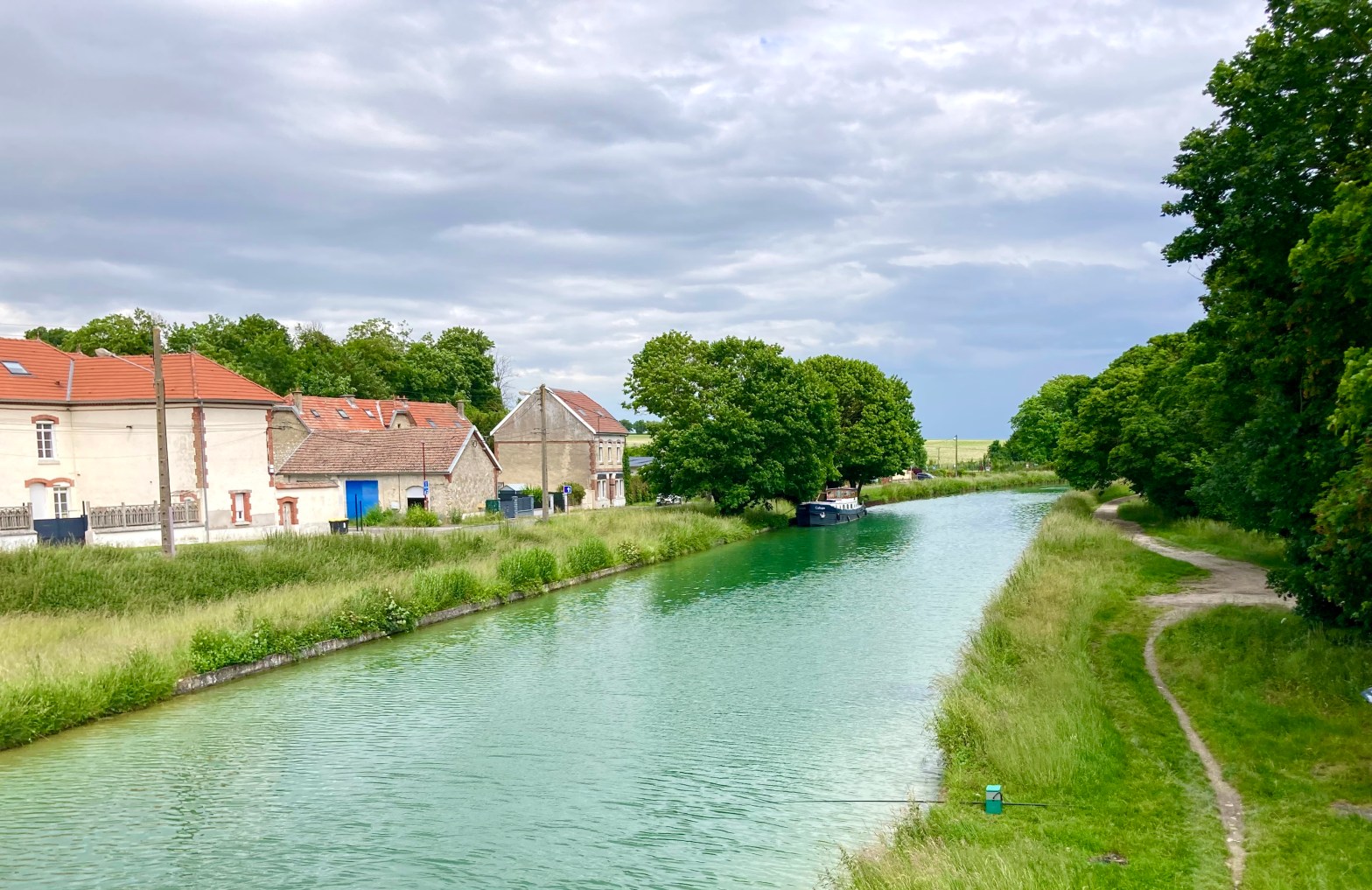
Canals L’Aisne à La Marne and Lateral à L’Aisne
4th to 7thJune 2024
Starting from Condé-sur-Marne
We had arrived at Condé from Chalons-en-Champagne at about 1pm. That gave us time for a walk round the village in the afternoon.
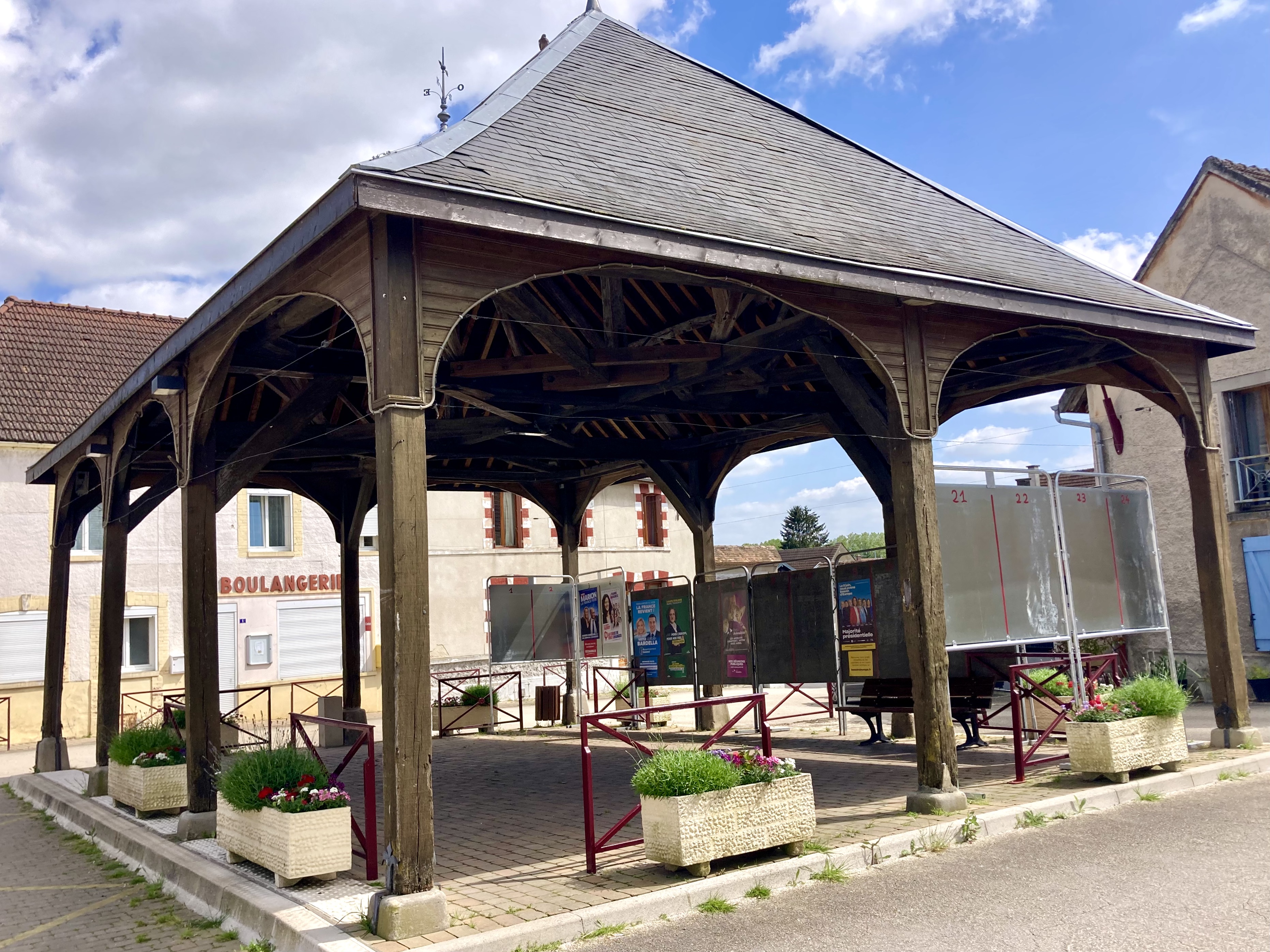
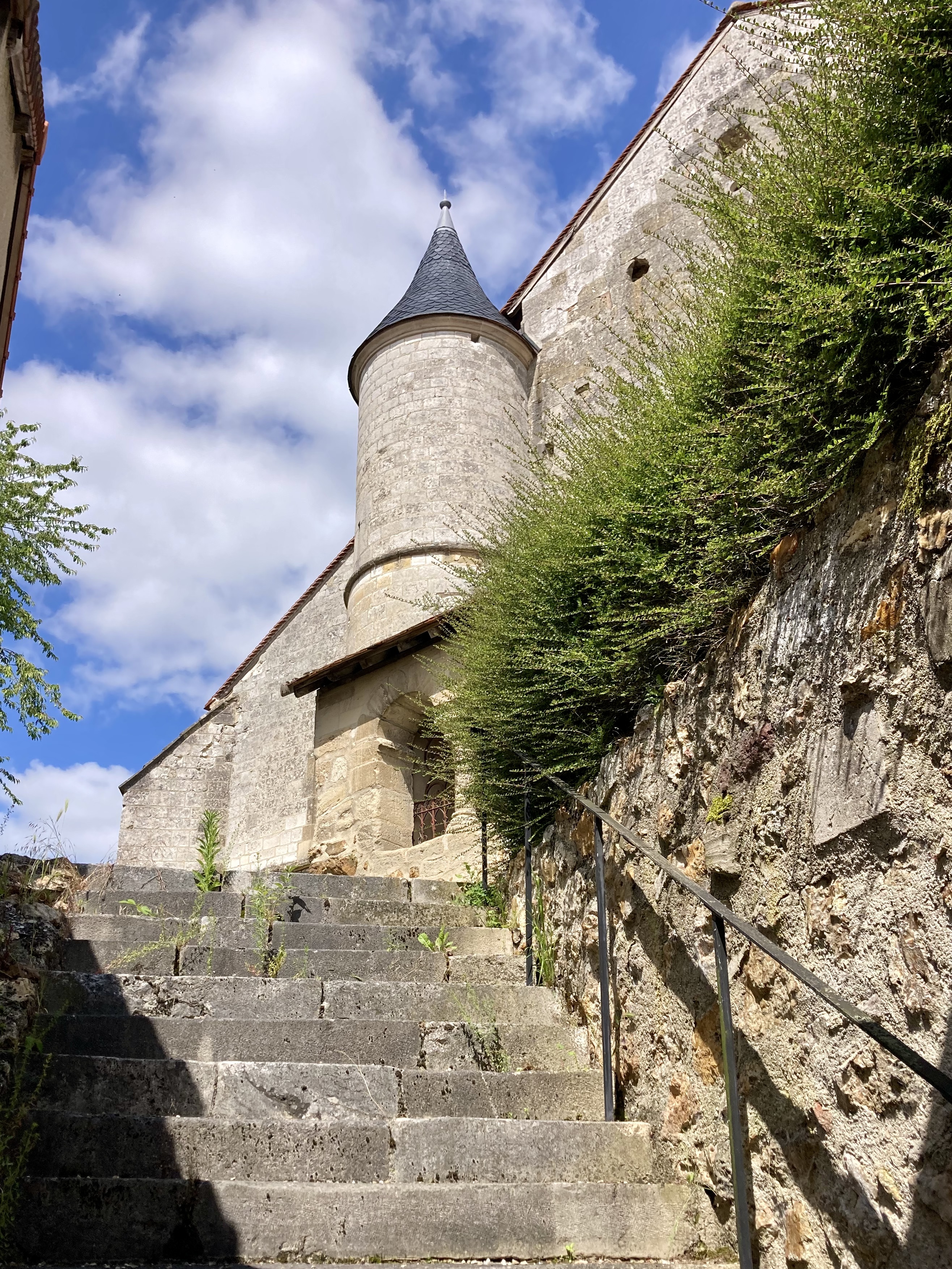

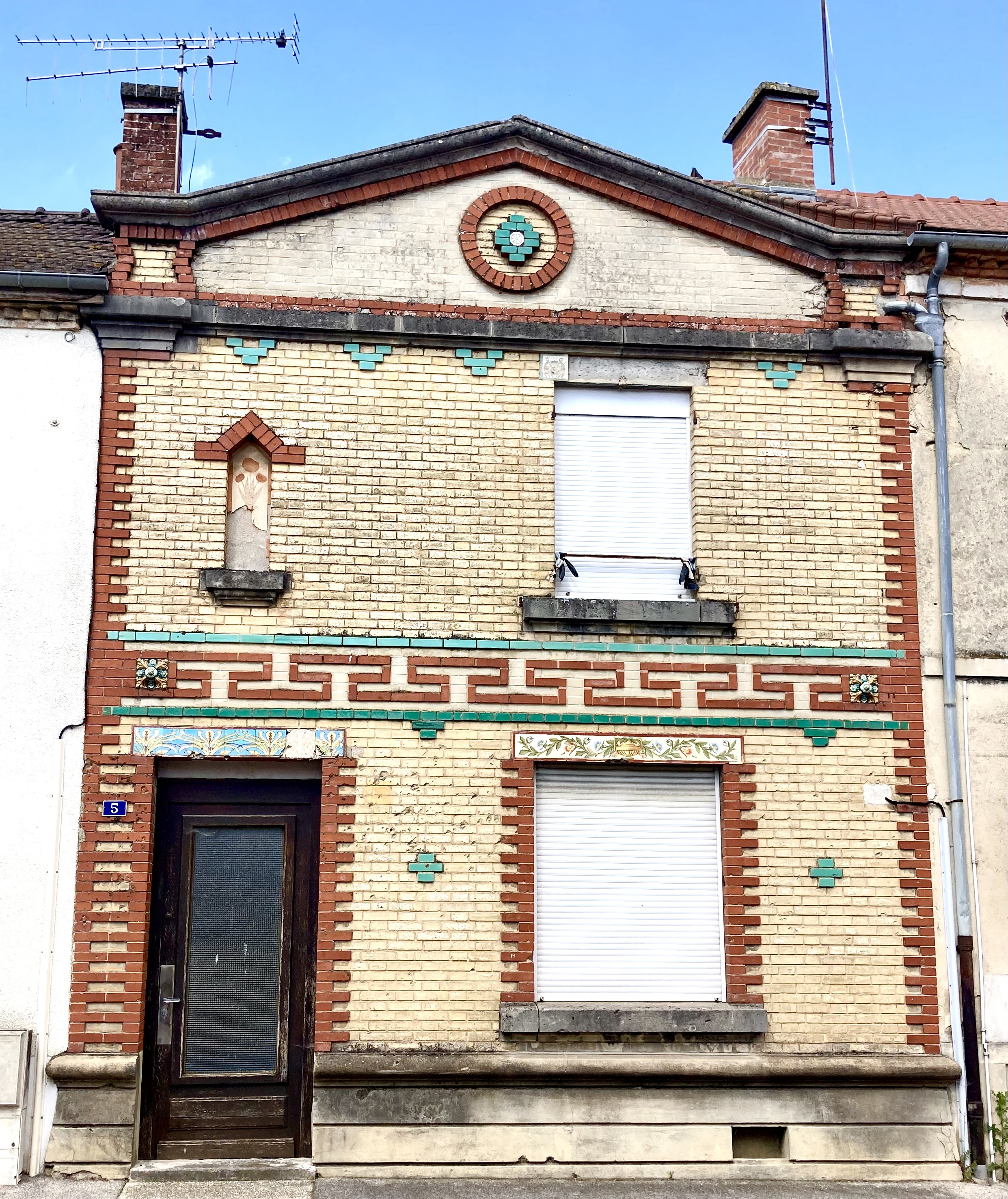
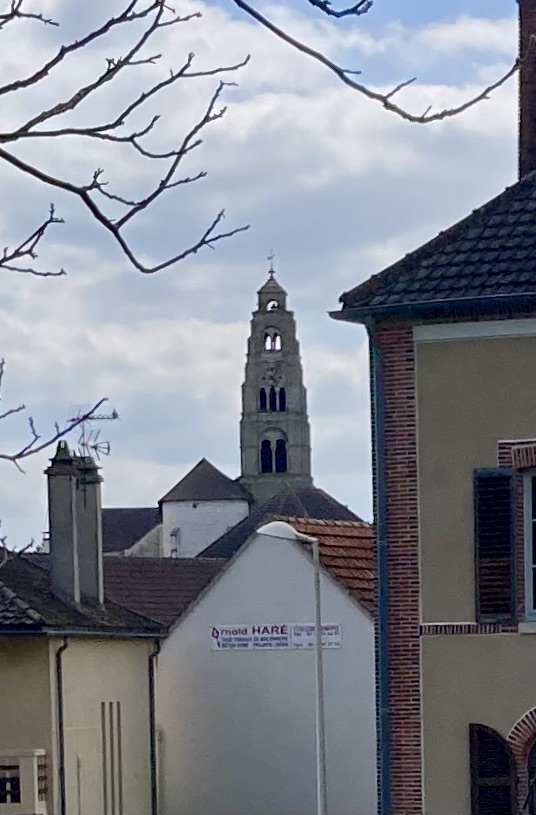
This was a quick walk round part of the village, because the ankle I broke a year before suddenly started giving me ‘jip’. This small selection shows the little outdoor market hall, commandeered for the elections; steps up to the 12th century church; one of the many grand gateways that have led to grape harvesting and treading activities; a house decorated with colourful tiles; and a distant view of the church steeple.
We have been to Condé a couple of times before and on both occasions I have made sure we visited the Potié champagne house and bought some of their very well priced pink champagne and ratafia – a sweet fortified wine made in the Champagne region and, for me, an excellent aperitif served cold. But this time my ankle cut short the walk.

On the way back to Calliope we took the route that passes the écluse (lock).
Next to the lock is the little electric train that used to pull barges through the Billy tunnel at the summit of the canal. You will see its rails still in the tunnel later in the blog.
Then we settled down to a quiet evening on the barge; supper, wine and sunshine.
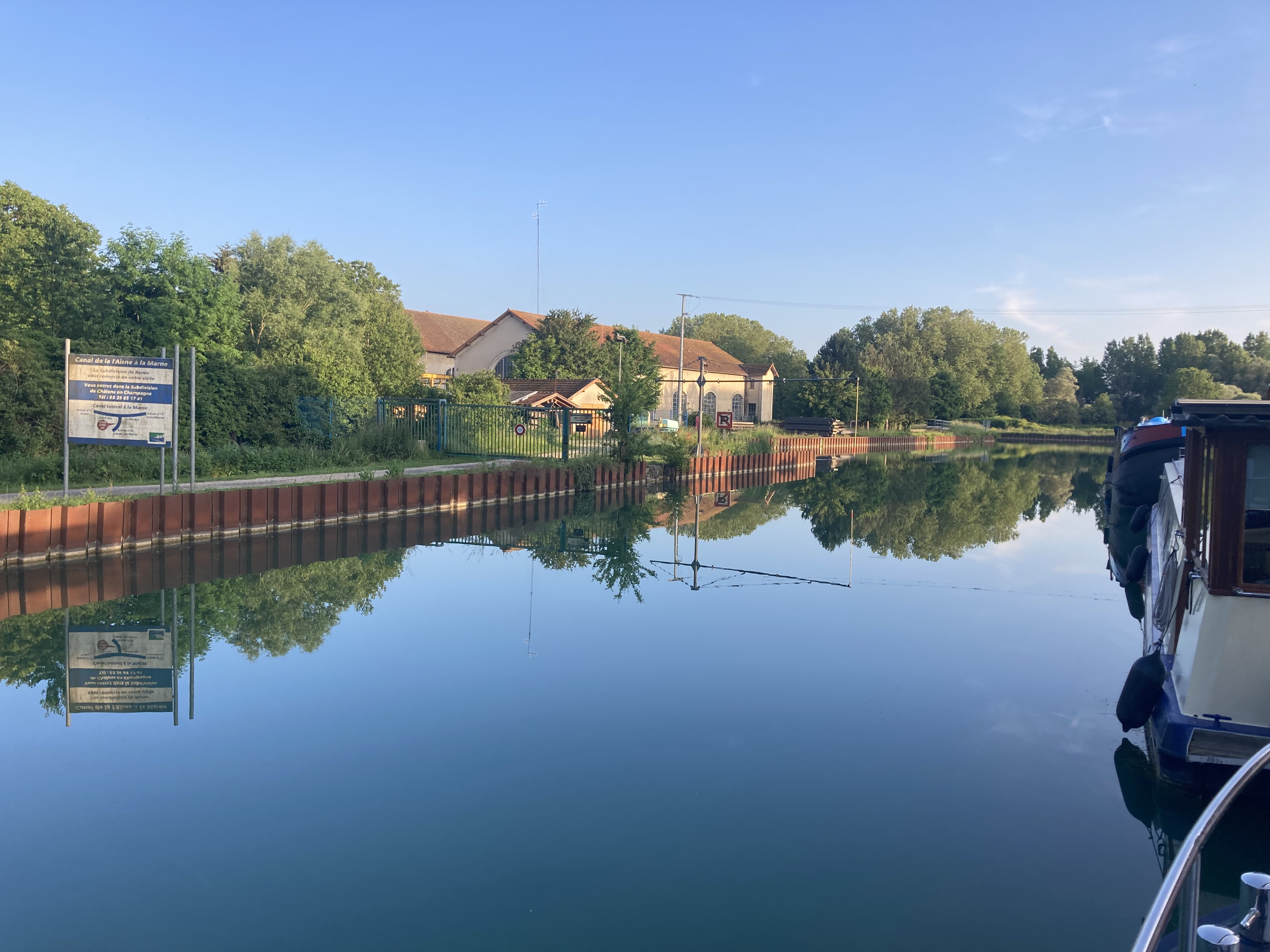
Remember this is early June and it is not getting dark until 10pm! So it was easy after supper to take this photo looking back at the pole hanging from the gantry over the waterI (It is easier to see the reflection than the original!)
Next morning we would have to go astern for a bit, turn the pole to get the lock opening up for us, and set forth on our journey.
Sillery
This port is not unfamiliar to us – nor the canal ride to reach it. Calliope overwintered there in 2018/19 and we had also passed through on our first journey south in 2016.
The trip is always made interesting by going through the Billy Tunnel mentioned earlier, and described with photos later.

Before that we had a little frisson of excitement when we arrived at écluse 22 to find no lights on the signal to the left of the doors. (Zoom in!)
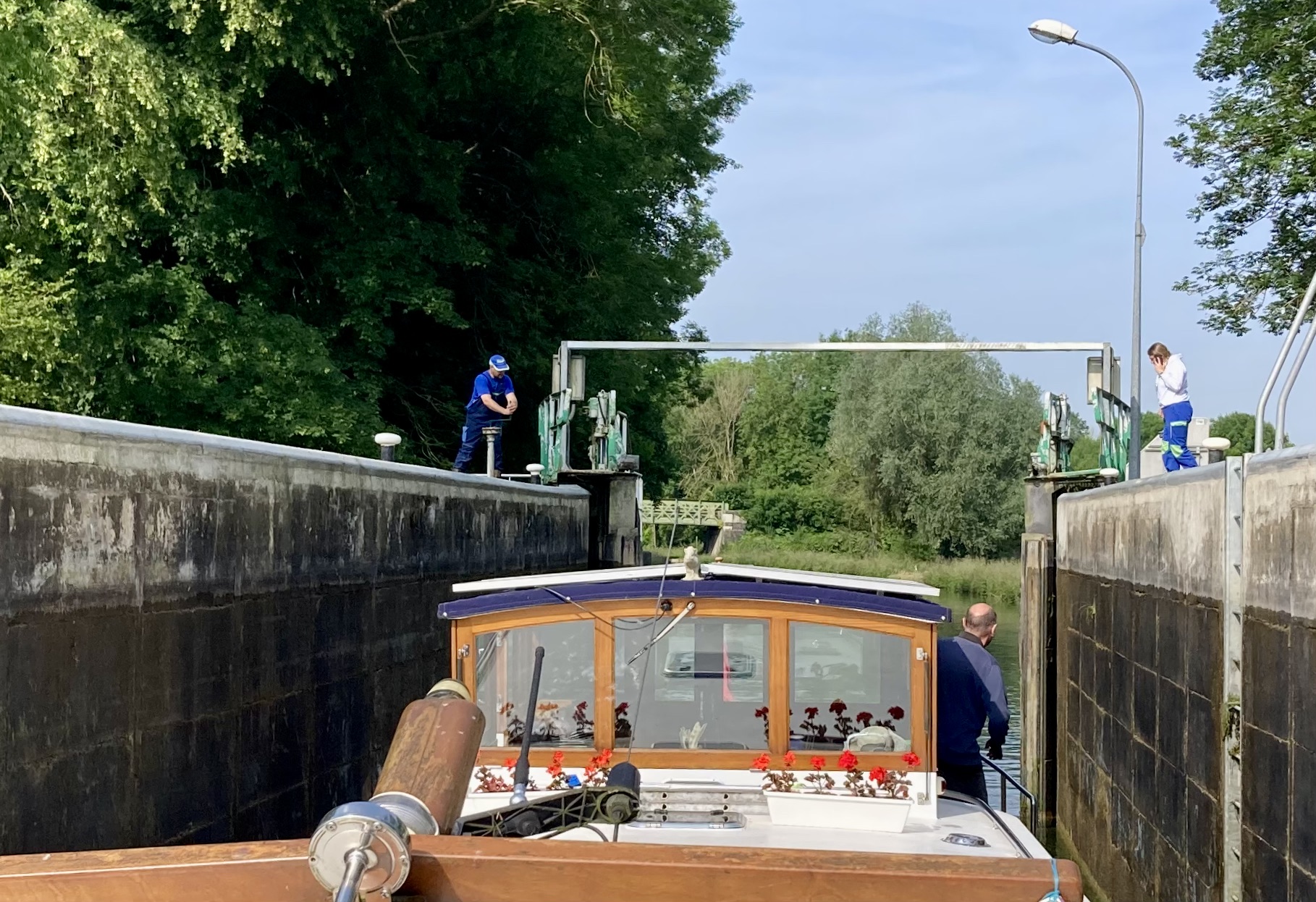
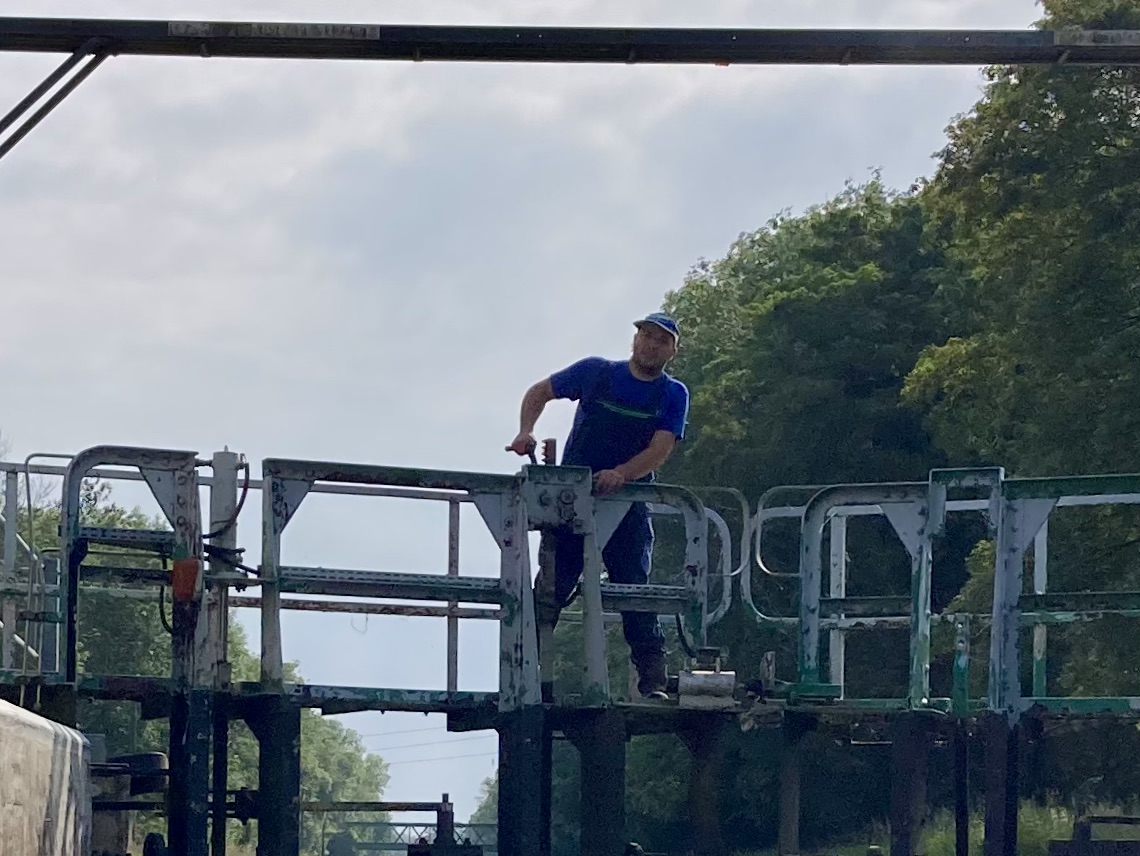
It turned out that that it is currently out of automatic service while it is upgraded and was instead being operated manually – by two lovely friendly éclusiers.
We were soon on our way, back to turning the poles over the water to operate the locks ourselves. With apologies to anyone who has read others of my posts I am including a few lock features that might be useful to boaters new to this canal – and things that I like!
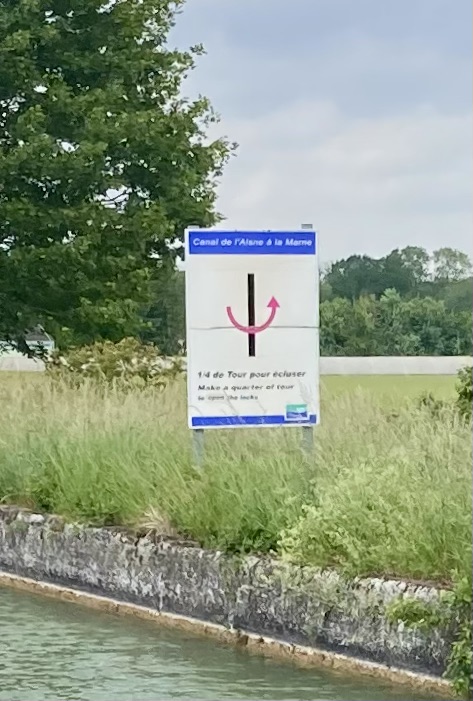


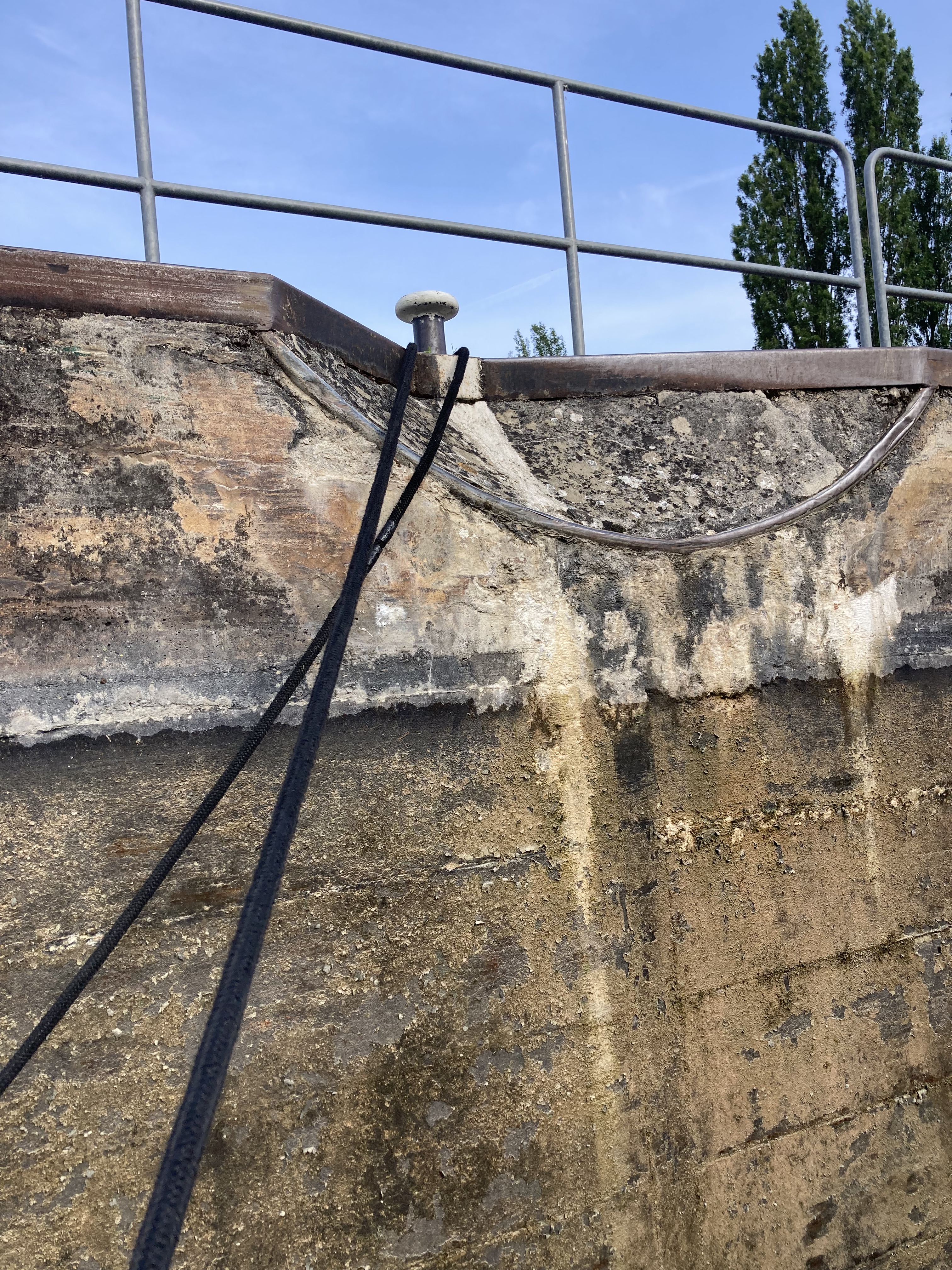
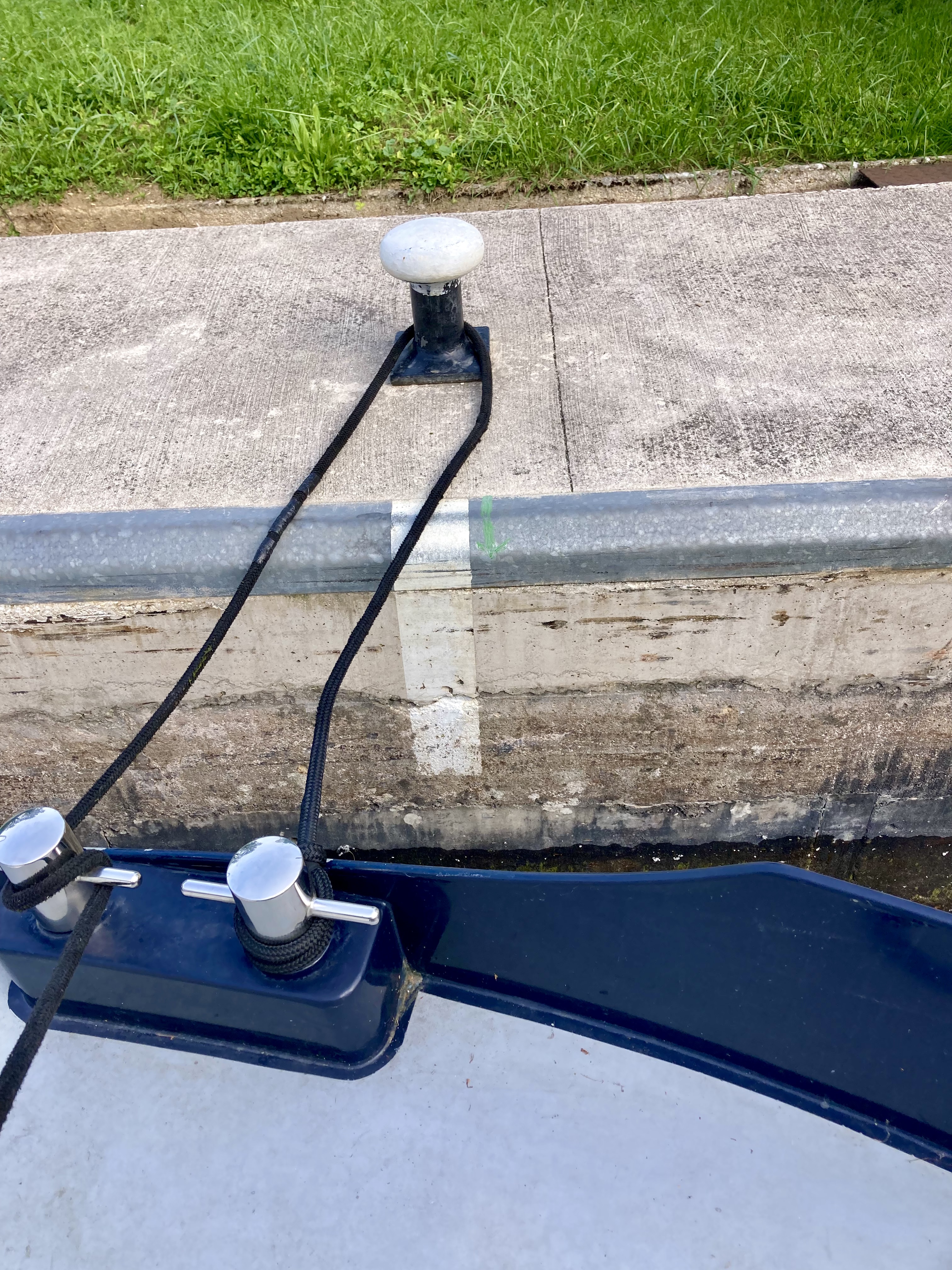
First there are some functional points – the sign telling you to ‘turn the pole’; the blue lever to raise to operate the lock; the big sign at most locks giving information about the distance to useful places, and a couple of the ways the bollards are set awaiting you.
The first of these indicates things that help and hinder throwing ropes over bollards! The curved indentation makes it easier to see the bollard from below and to get a rope round it; the railing behind it often makes it harder for me as I tend to throw too much rope and not gets caught on the railings!
The second of these is to show the white line painted below a bollard; this is very useful if you are coming in at the bottom of a deepish lock and cannot see the actual bollards!
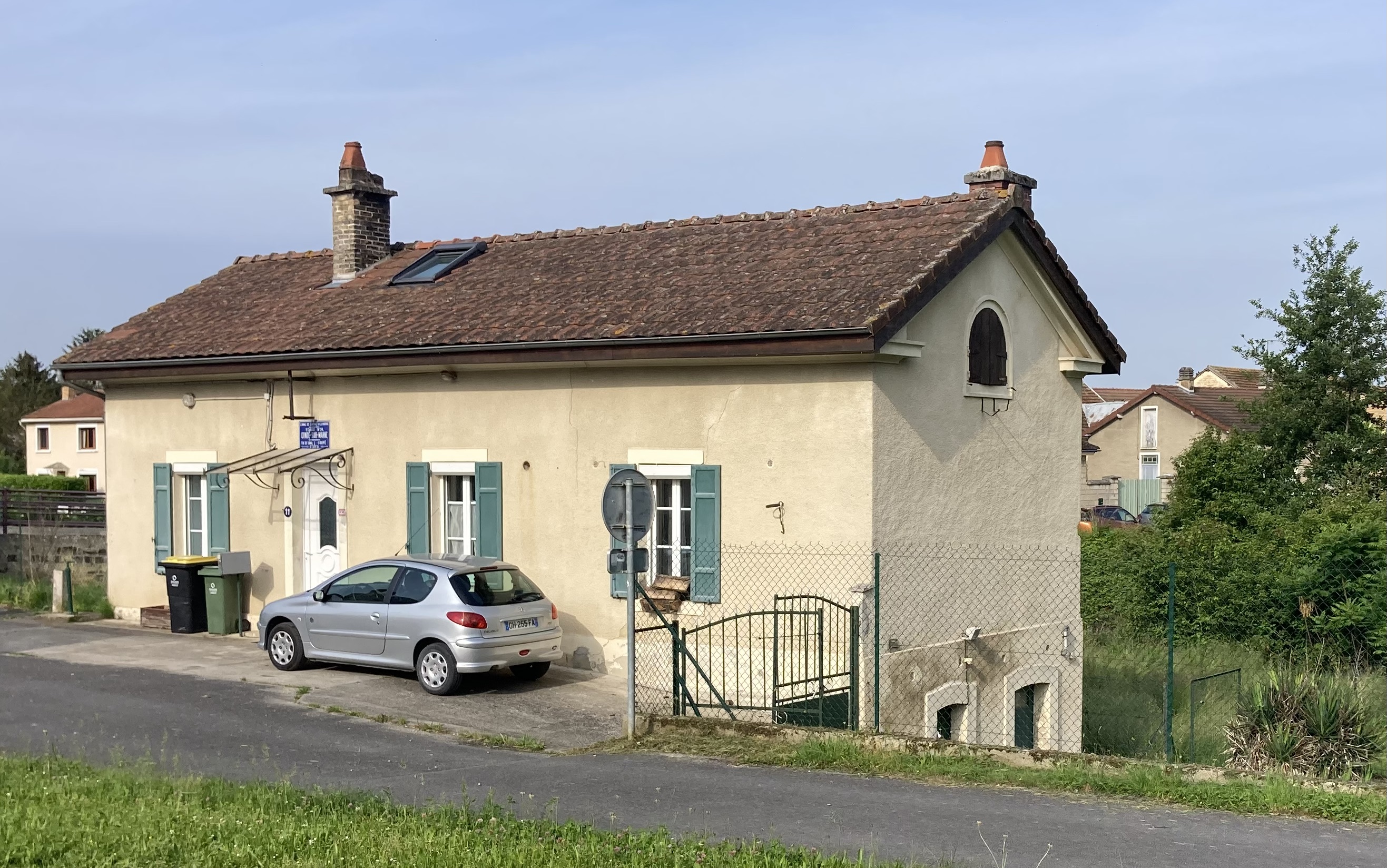
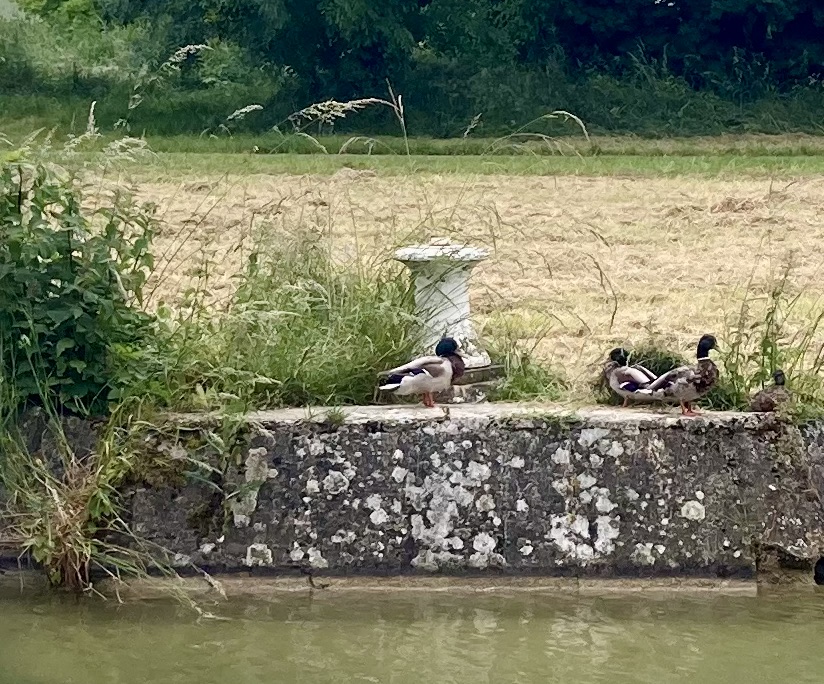
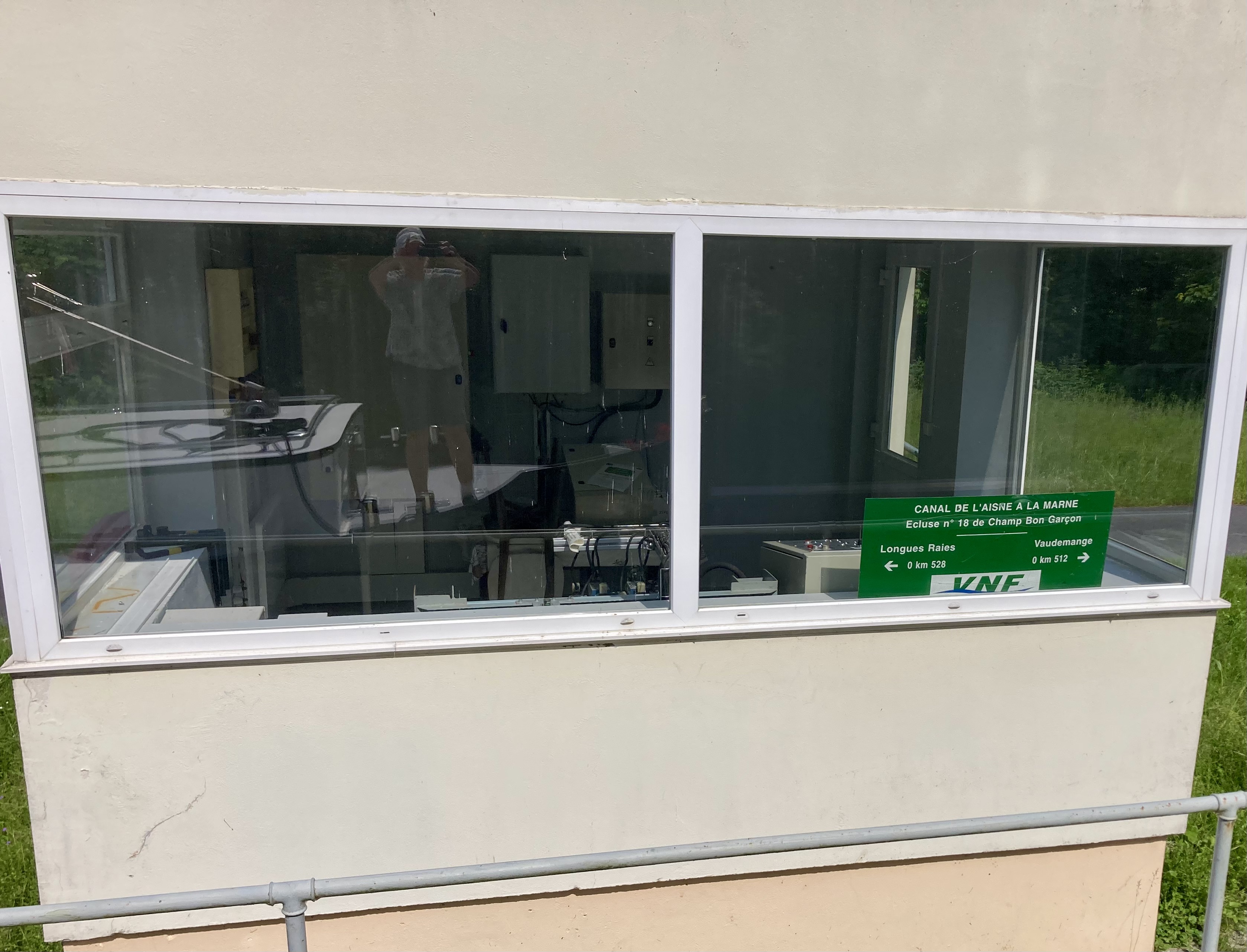
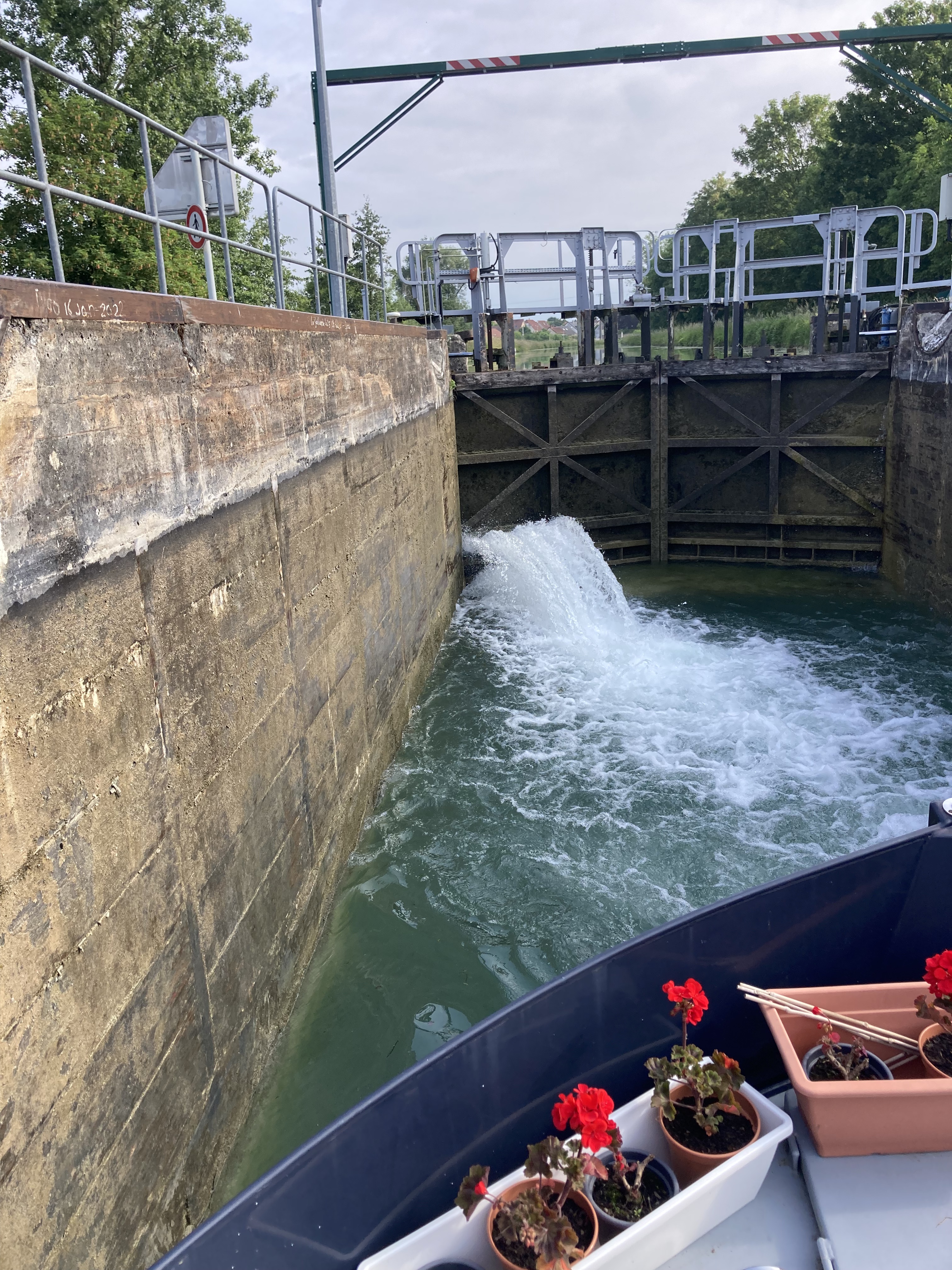
And now just stuff that I find beautiful or interesting – or both. I love how lock houses often look like bungalows from the front, but on fact often have a floor below where the ground dips away from the canal.
The next two small photos show the old and the new; the ‘old’ is a capstan at the corner of a basin which was used to help ‘rope’ a barge round the corner, but now more enjoyed by the ducks! The ‘new’ is a building full of the technology required for the updated boater operated locks.
And the large photo is simply something that I enjoy at every lock – the water gushing in – although the modernised locks often have the water coming in from below in a much calmer way.
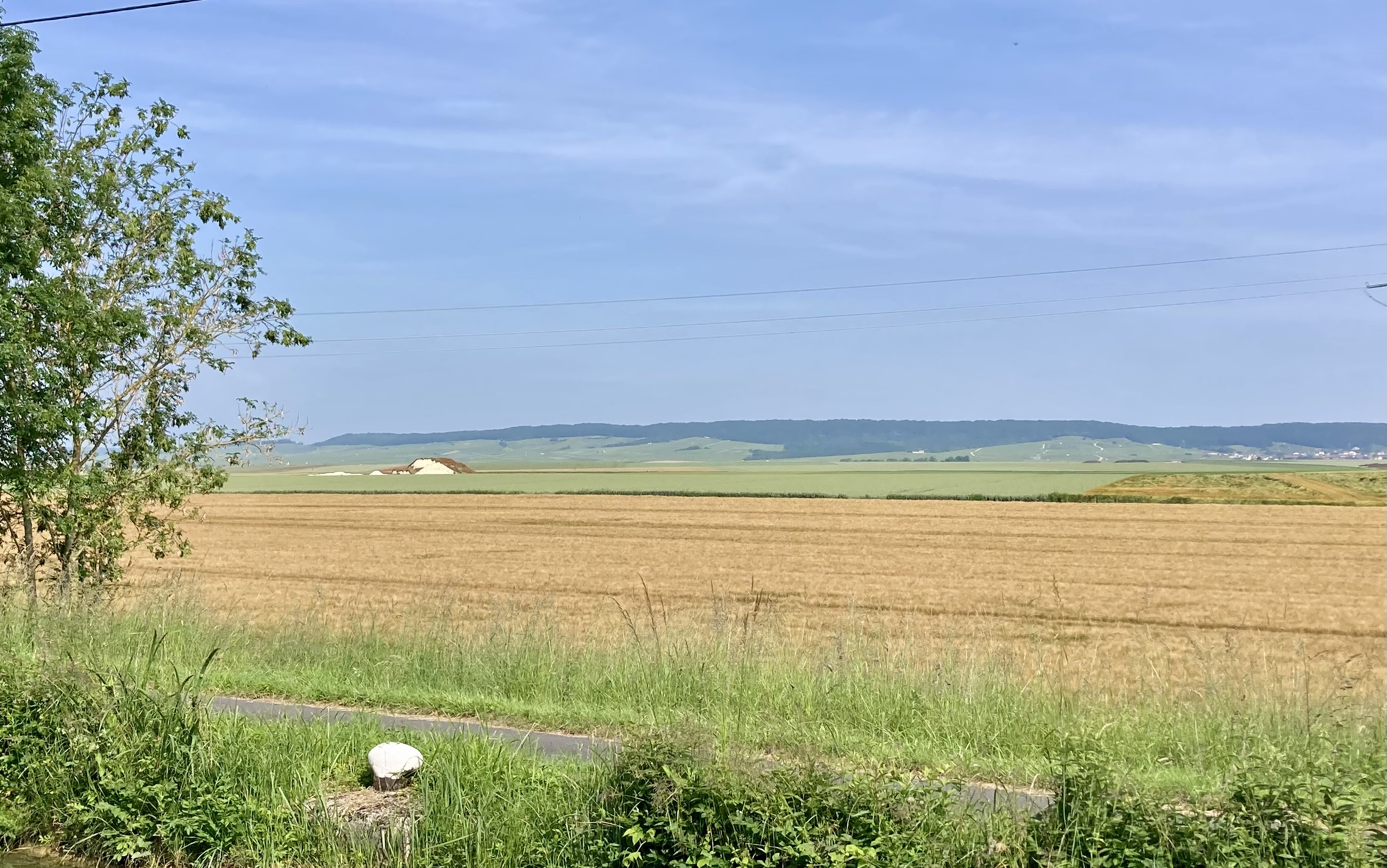
As we traveled on we could see that this is definitely champagne territory. Looking across to the distant hills we could see them covered in vineyards. Again if you zoom in you will see the neatly ;planted lines of vines on the slopes.
And in between us and the slopes roared the A4 which we travel on to reach Calliope when as she is at Saint Usage (current winter mooring)
That journey takes about 5 hours by car. It takes over 5 weeks by barge!! Such is the relaxing tranquil life we have chosen.
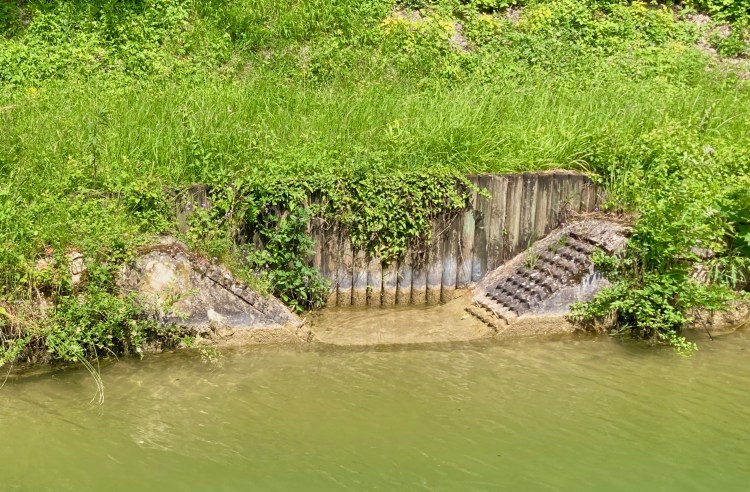
As we neared the summit and went into a narrower section leading to the tunnel entrance we began to see deer steps.
There were several variations of these, but all designed to help deer get out of the canal. They sometimes fall in but mostly jump in to swim to the other side.
Then, 3 hours and 8 locks after leaving Condé we were entering the Tunnel de Mont-de-Billy.
It is described in our Du Breil waterways map book as an ‘attractive tunnel, which always makes me smile.


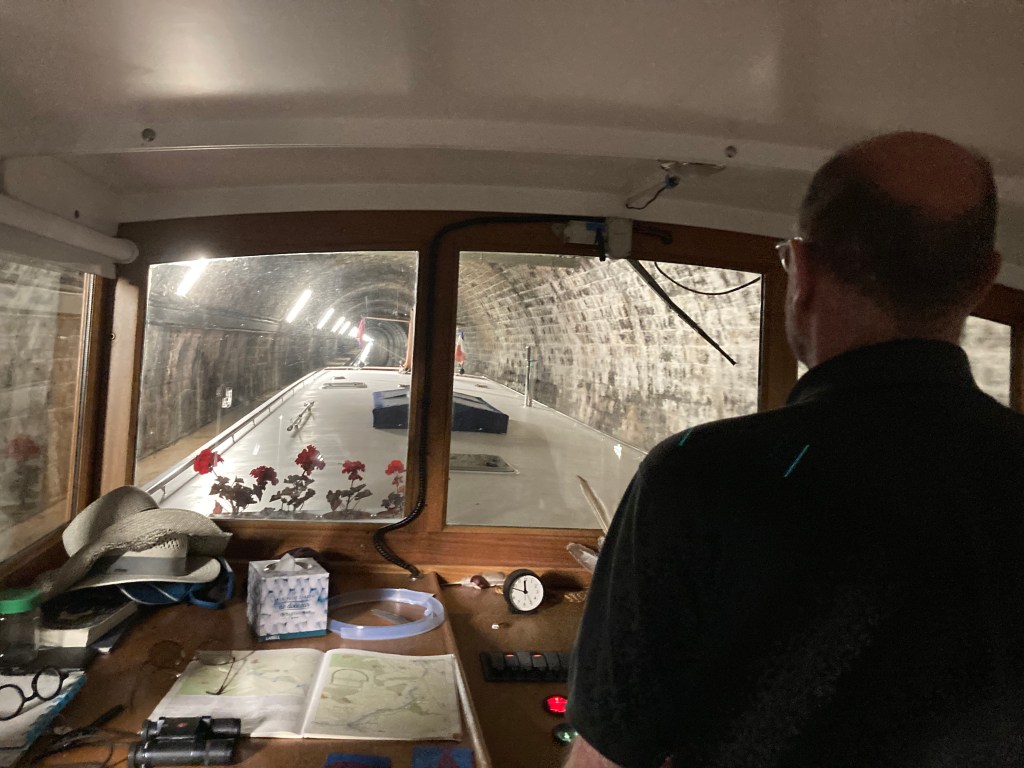
Stu drove through carefully as usual. The width of the canal inside the tunnel is 6.6m – more than a meter wider than the locks, but still needs concentration to drive a straight course for the 2302m of its length. It is a well lit tunnel (some have no lights except those on your boat). It is easy to see the rails that were used by CGTVN E1601 (the little engine seen back at Condé lock) on the walkway to our left.

In about half an hour Calliope was out the northern end of the tunnel, back into the same rather grey day that we saw on the other side!
The red light one the signal is telling other boats not to enter; it will turn to green for them once we are away from the exit.
The terrain this side of Mont-de-Billy is similar to the southern aspect – flat fields across to the vine covered hills to the west.

But the bridges changed. They seem to its to be post WW2, with the use of concrete and the design. Maybe it is a bridge that has replaced an older bridge, destroyed in the wars; the bridge supports look older.
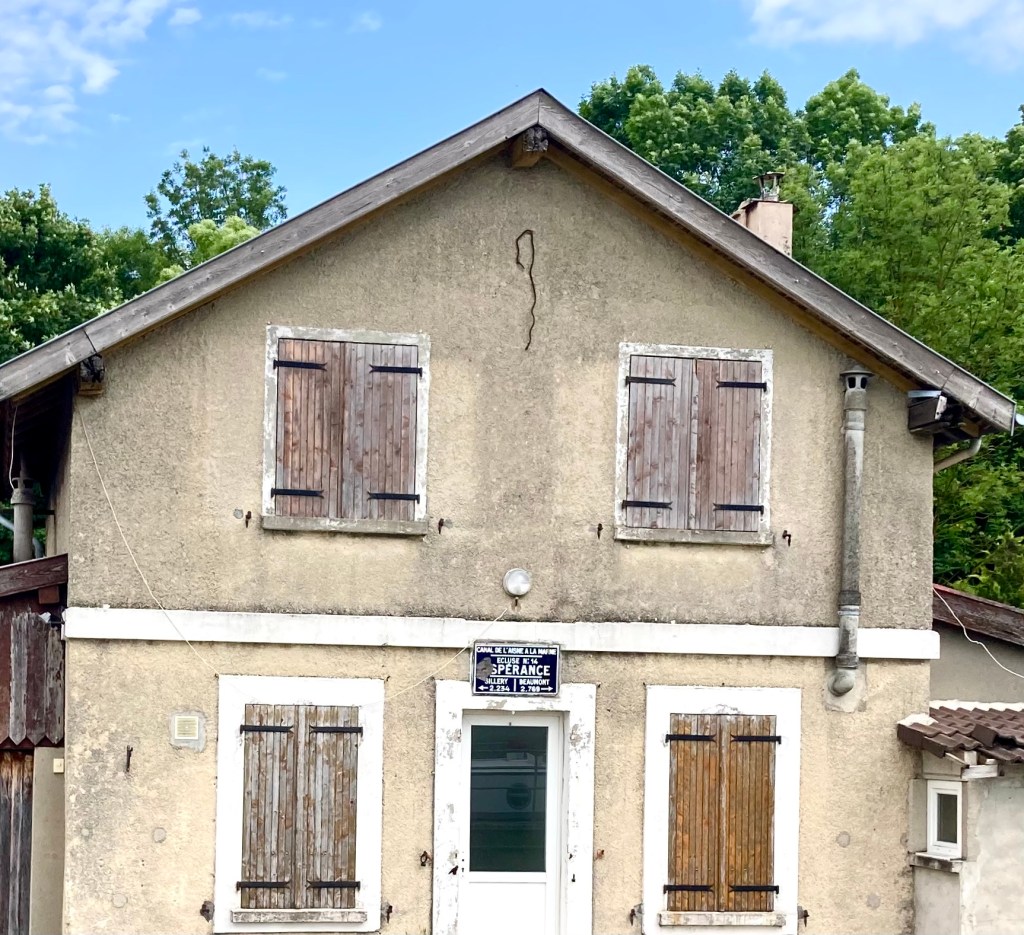
I am always fascinated by the lock keeper’s houses – or what were lock keeper houses until they were gradually taken form the (mainly) men who worked the locks, and are now derelict or rented out on long leases.
This one particularly touched my heart, not because of its beauty, but because of its name.
The lock is called L’Esperance. It means Hope.
But now looks rather hopeless and forlorn.
That was the last lock of the day.
We thought we might find the Sillery port rather full because the port at Reims, just up the river, was closed for refurbishment, so we were not surprised to see almost all the finger pontoons occupied.
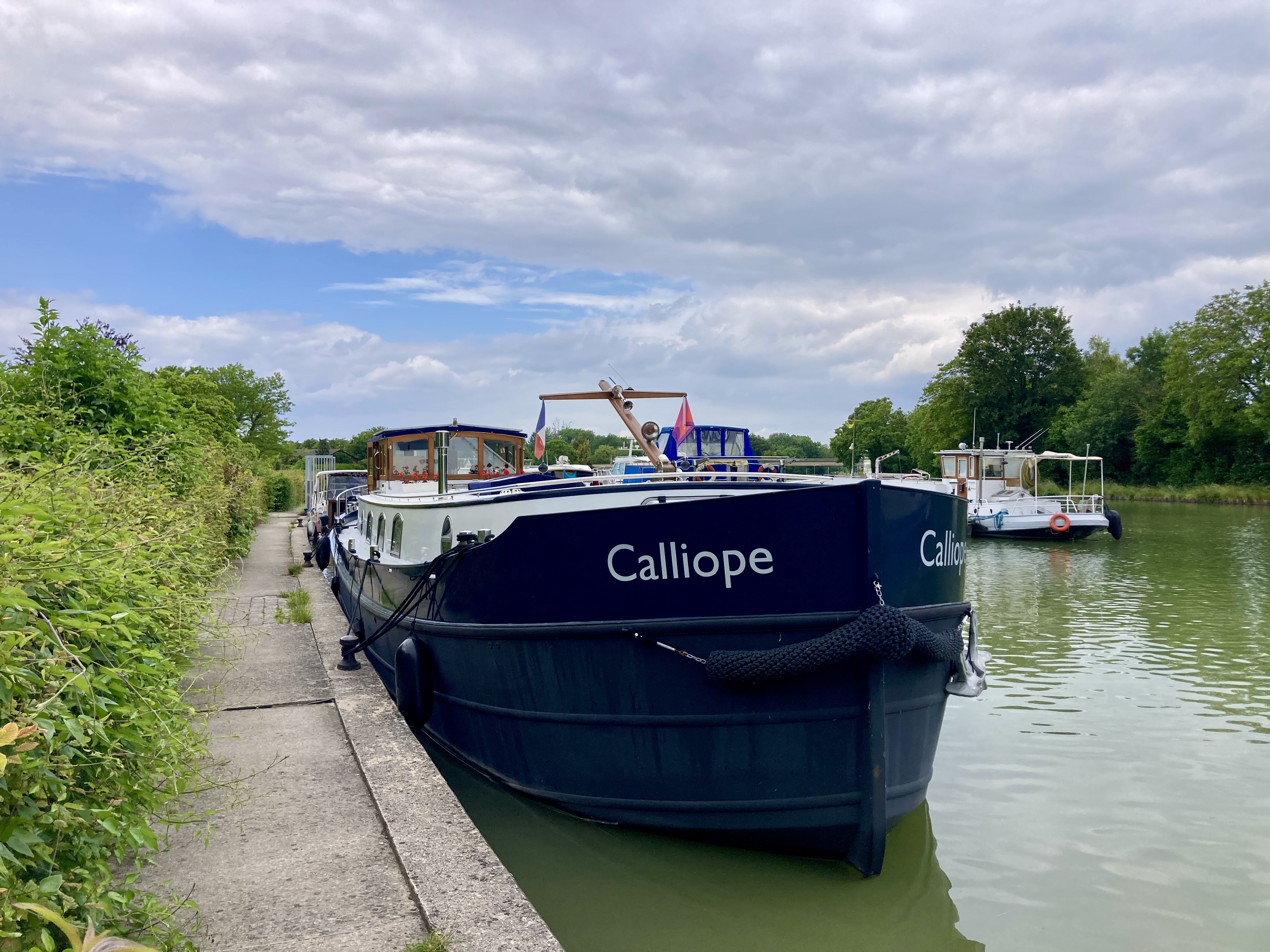
But the Captain used great skill by bringing Calliope in between two rows of busy pontoons and onto the quay.
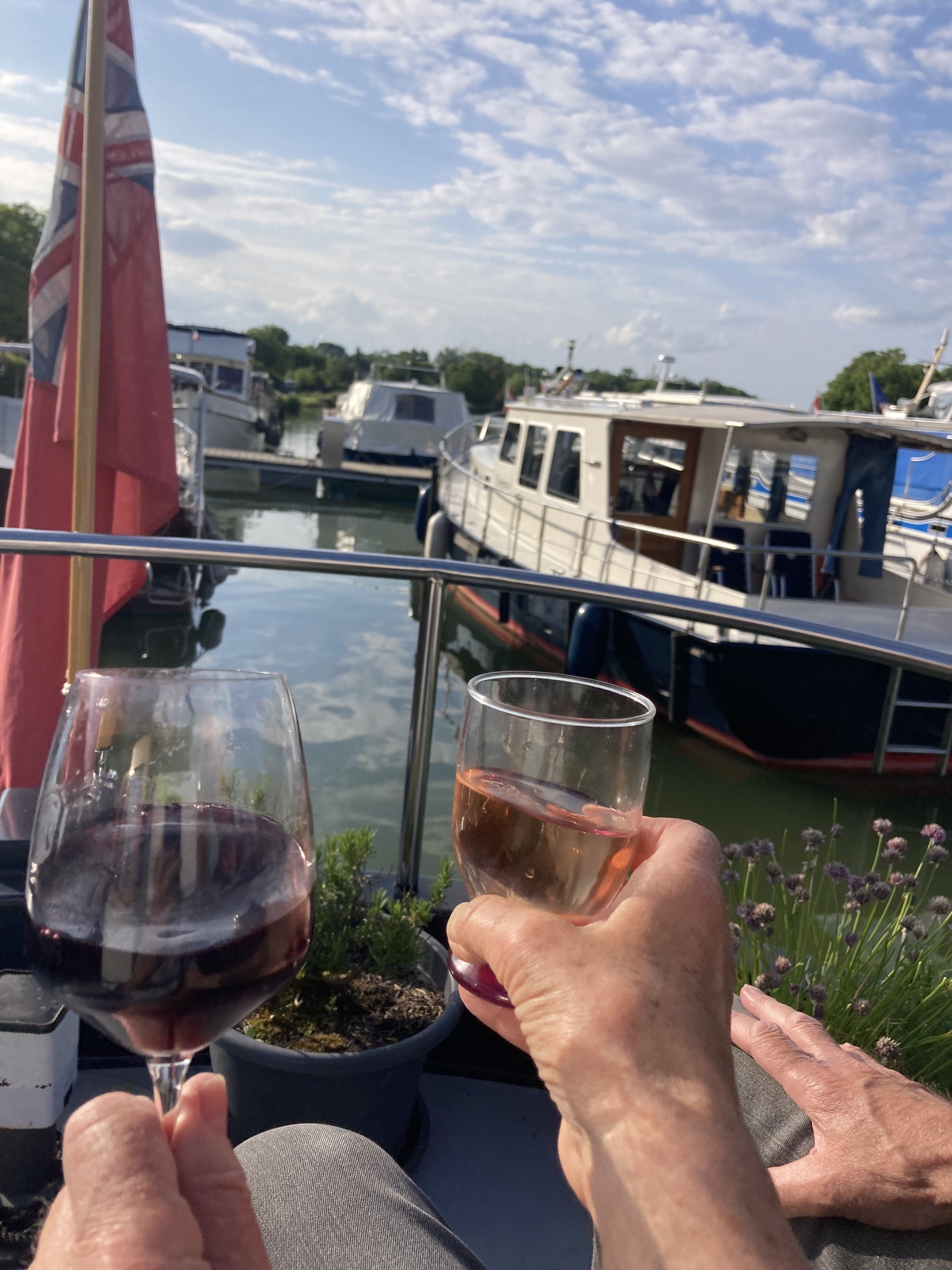

The day ended with enough warmth in the sun for Captain and crew to have an hour on the back deck and a glass of wine – not champagne! And a shot of gold from the sky.
Courcy
It is only 10kms from Sillery to the centre of Reims, a city worth visiting for many reasons including its cathedral and its importance to the production of champagne!
But we have investigated this on a previous trip and had decided to ‘crack on’ to a country mooring at Courcy.
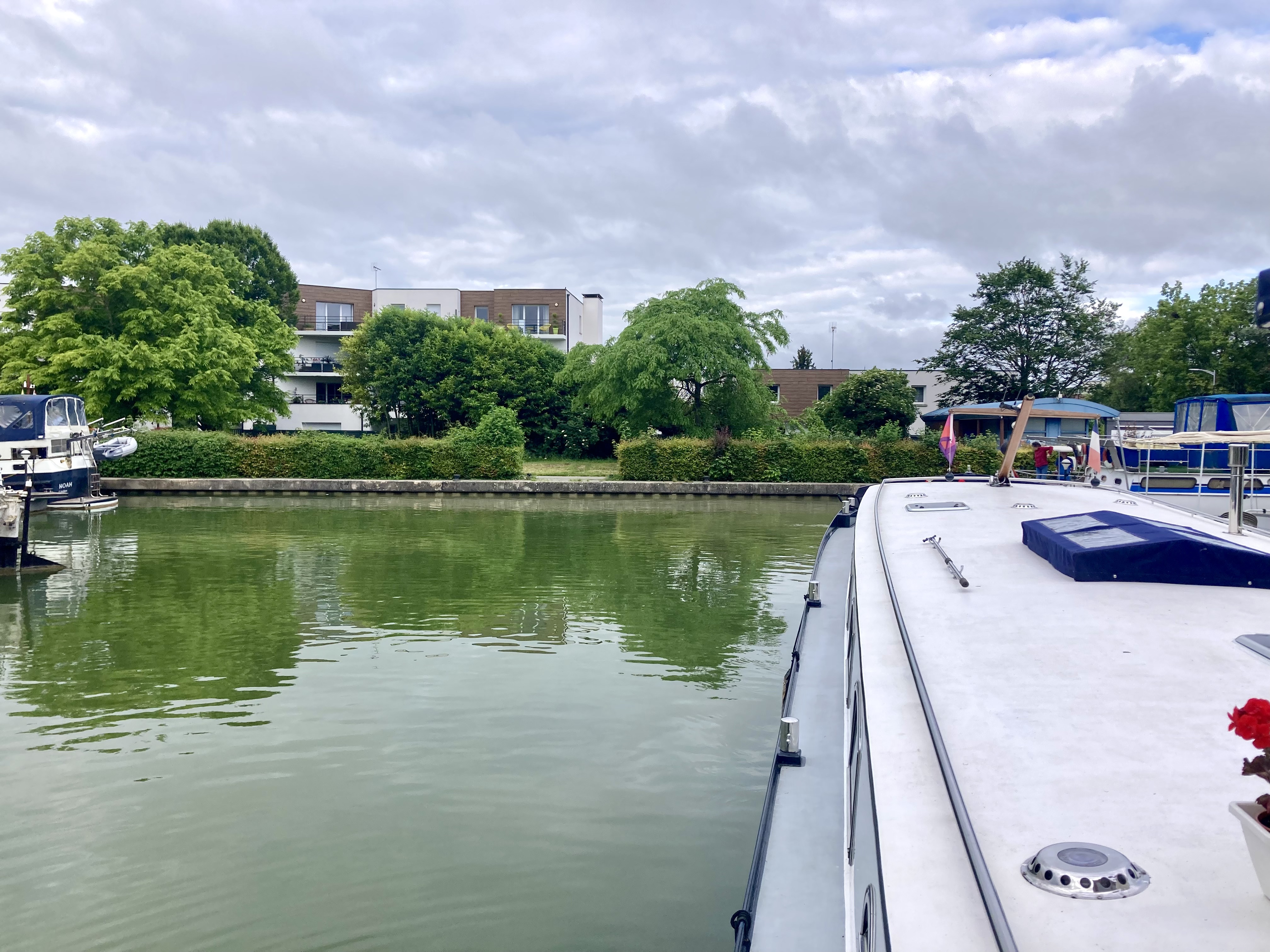
The first challenge for the Captain was to extricate Calliope from the quay at the end of the two rows of finger pontoons. ‘Phew’ he said, ‘didn’t hit one of them!’
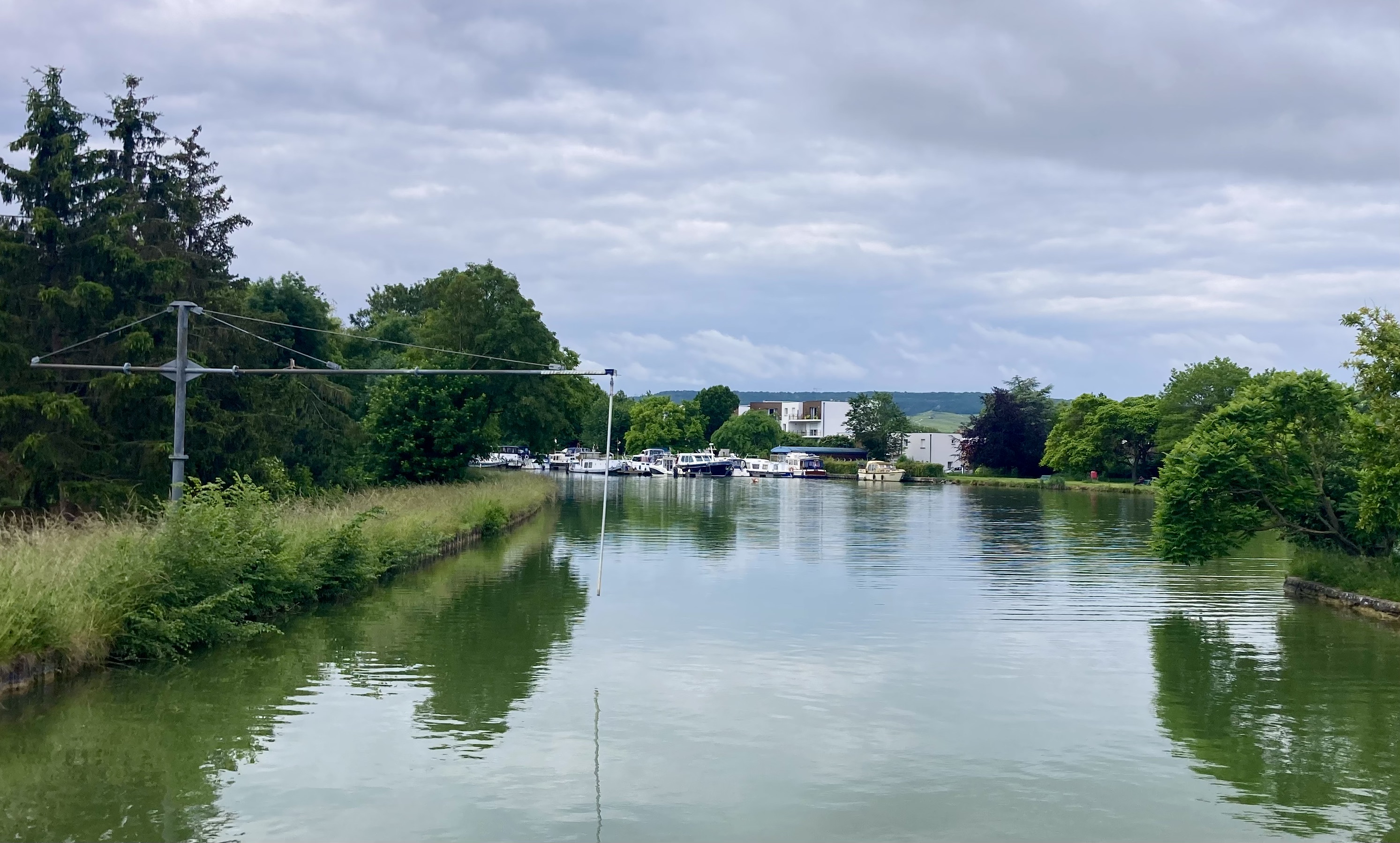
Then we were away, waving goodbye to Sillery and turning the pole for the first lock.
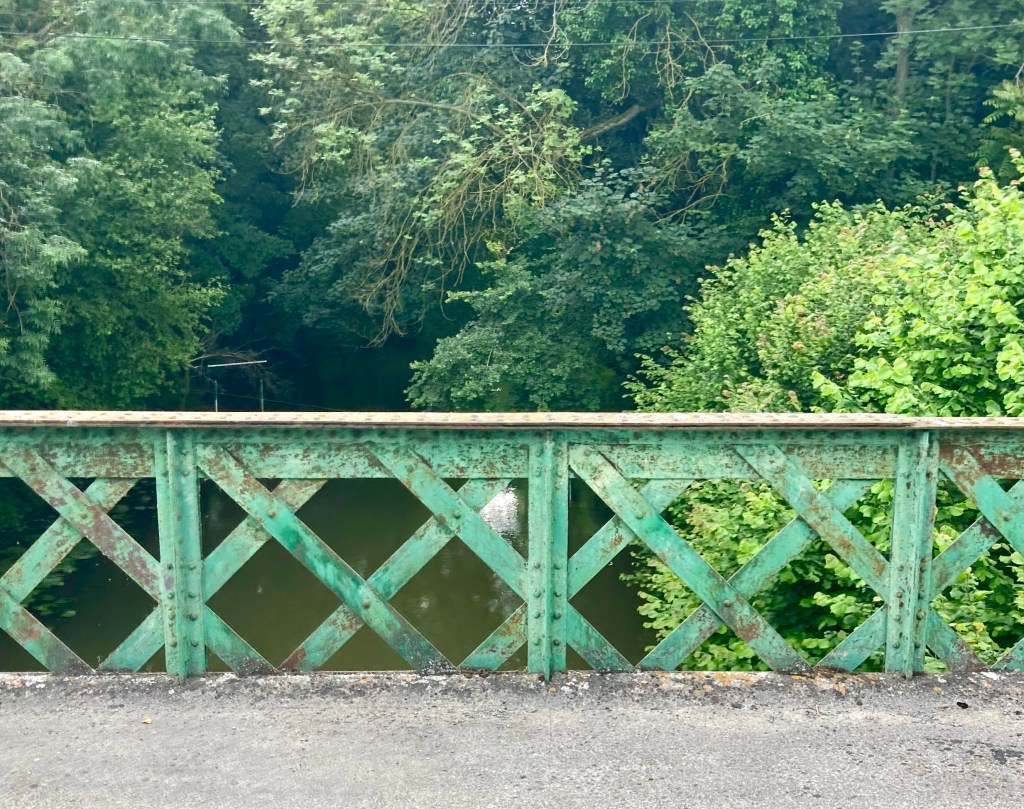
The lock at Sillery, quite deep at 3.49m for this canal, is adjacent to a small pont canal over La Vesle.
This is the river that has been tracking our progress down from the summit.
Now we had to reach and travel through Reims – a fairly straight and pleasant trip from rural to urban.

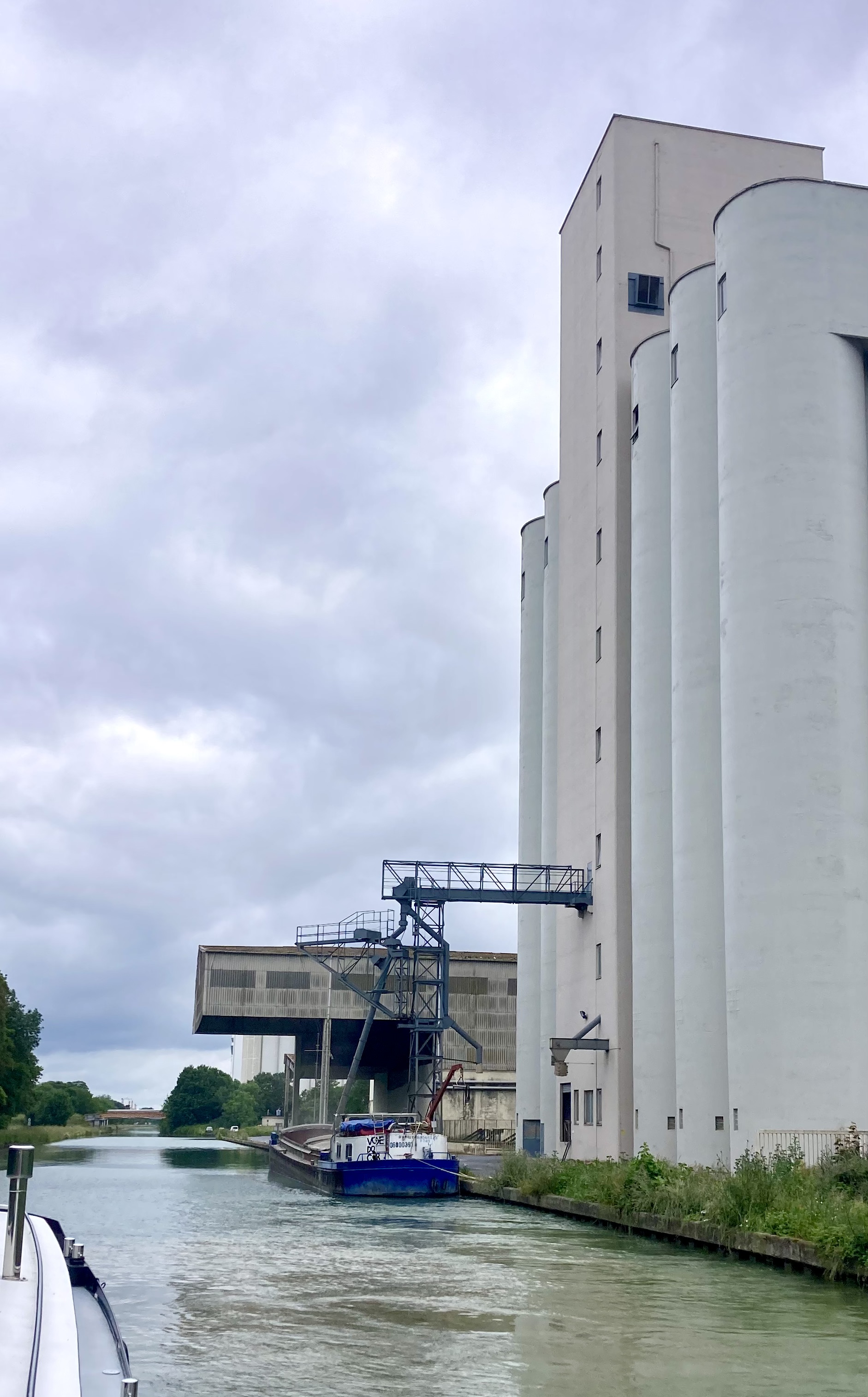
As we came into the outskirts of the city it was good to see a commercial barge at work, being filled up with grain. I have read that more companies are returning to transporting by canal; it may take longer, but it is greener and cheaper.

The run in to Reims took us past, on our port side, what must have been the area where the wealthy lived in the past. I guess it was outside off the city at that time, away from the noise and smells off the rest of humanity!
There were signs of past big houses, gateways, and gardens.
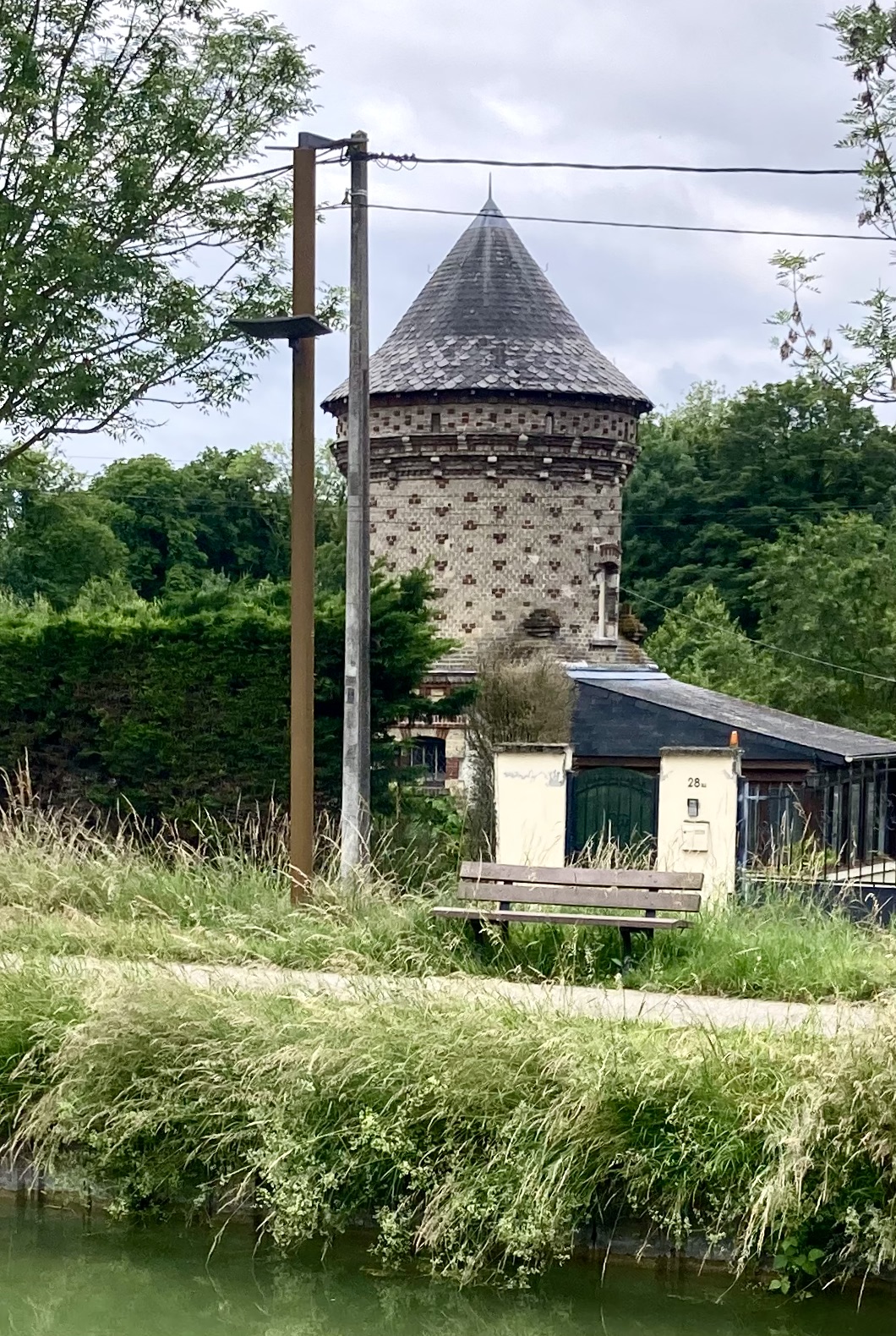
At one point I even spied what must have been a grand dovecote.
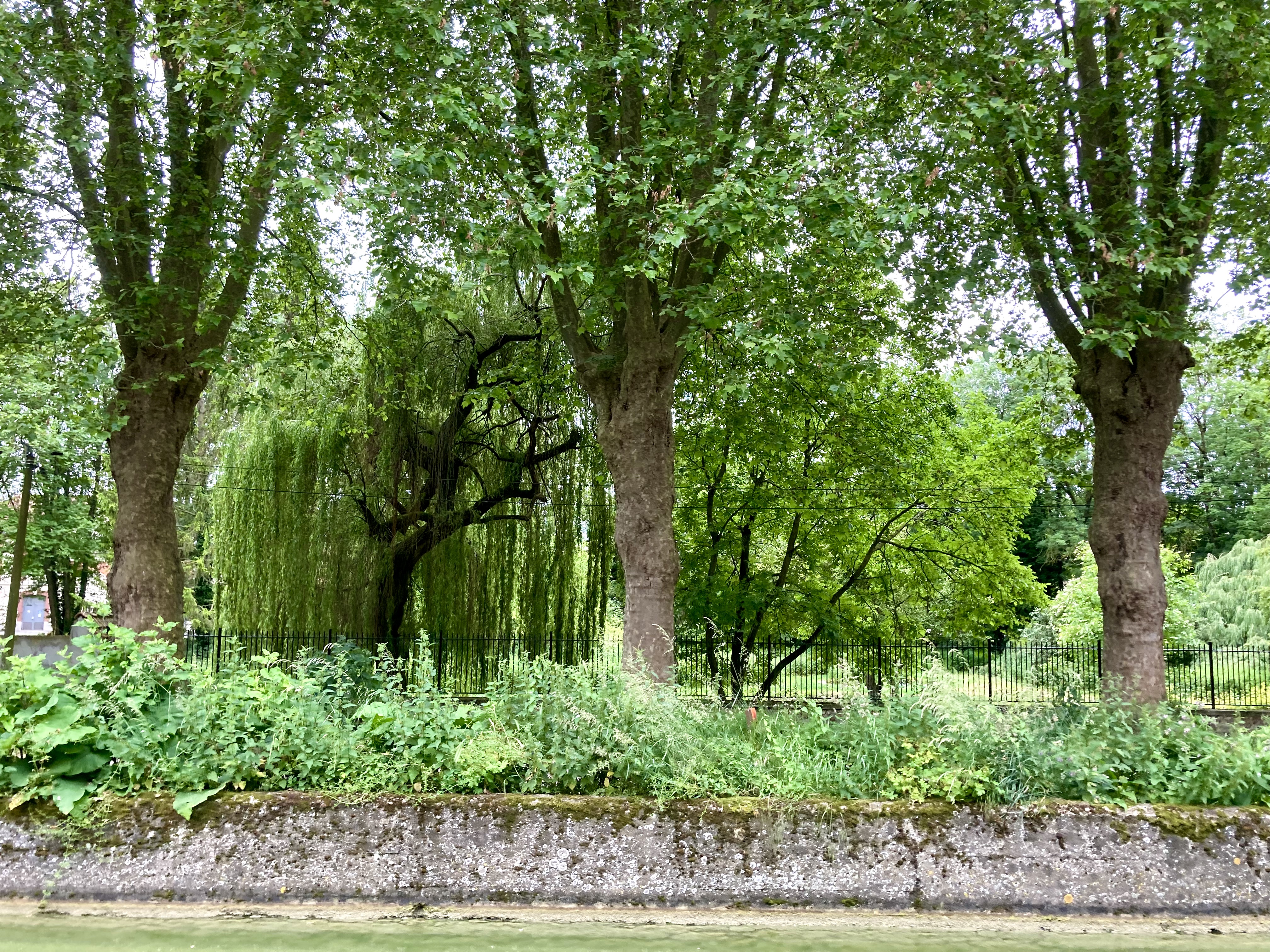
This side of the canal has been kept ‘green’ and some of the gardens are now parks and public open spaces.
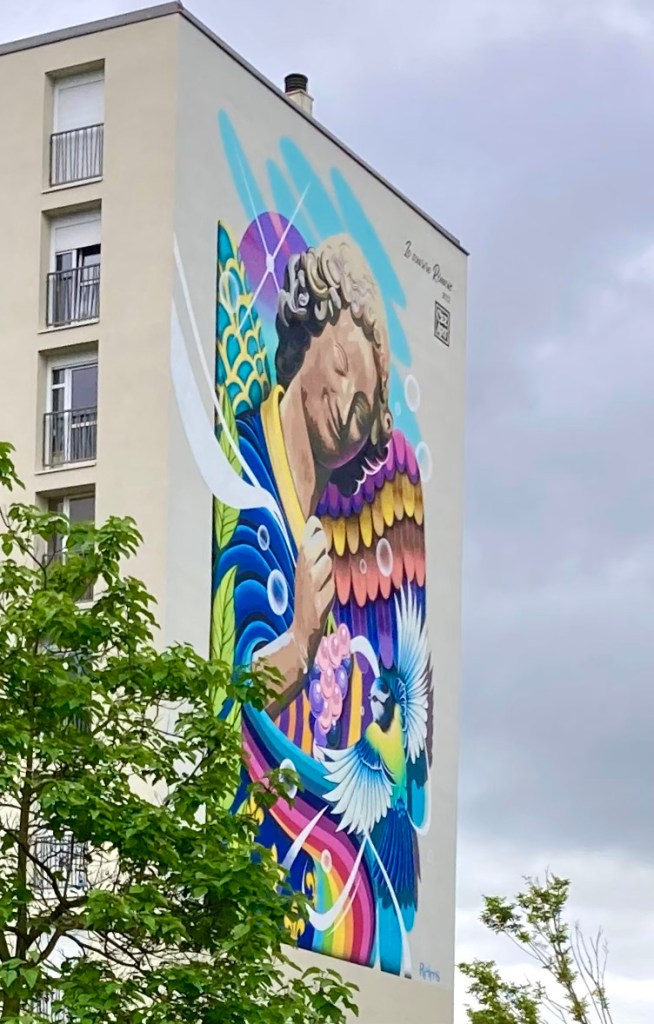
And on the other side of the canal, the built up side, this huge piece of street art brightened up what would otherwise be a blank side wall to an apartment block.
There are two locks, close together, that drop the canal down 5m to get to the city centre.
We arrived at the first, dropped down as usual, but then the lower doors did not open. As you know, if you read these blogs, we are used to this happening. It can feel frustrating, but is also a chance for an unplanned repose an d cup of tea!
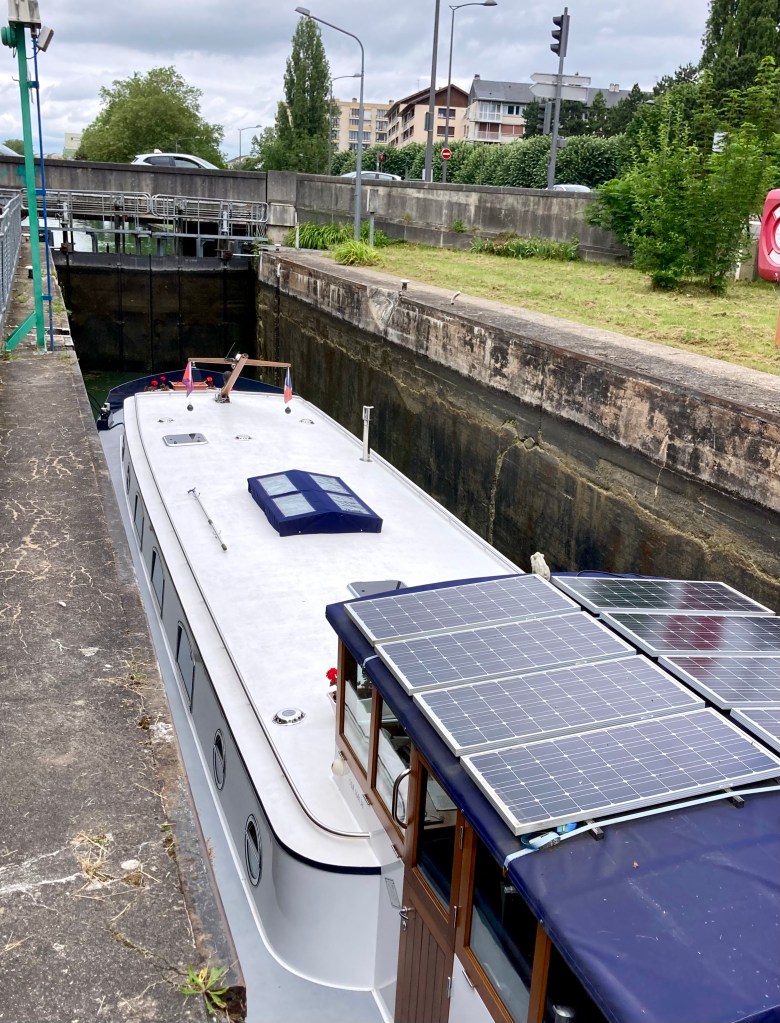

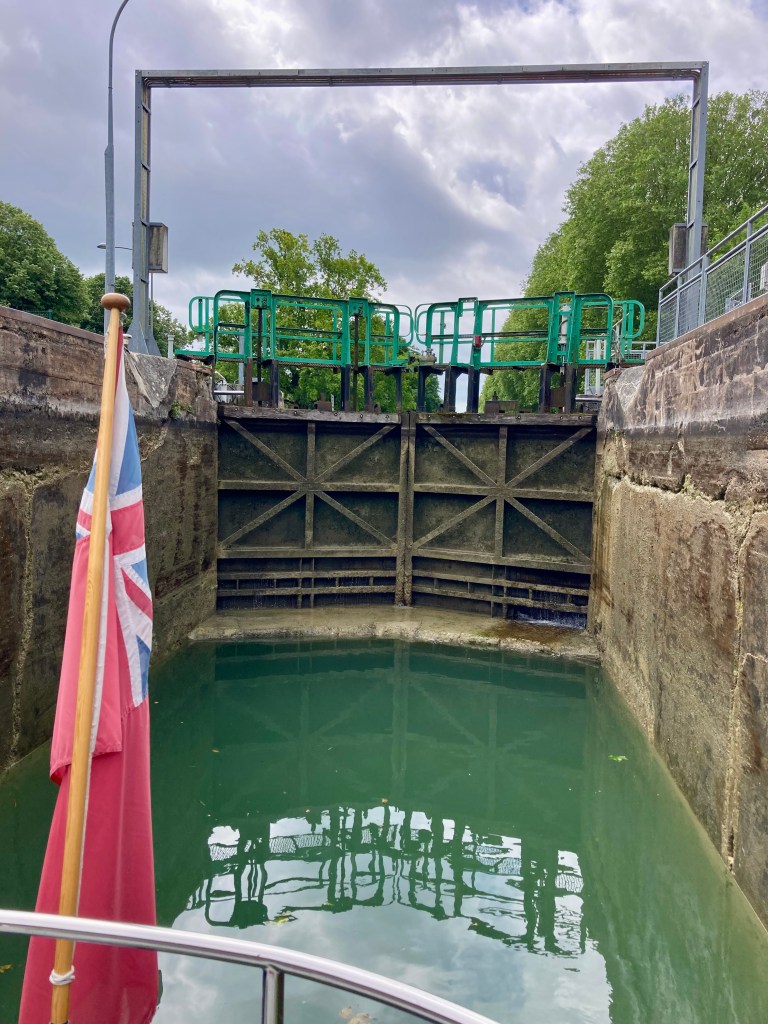
I was pleased to see that Calliope’s cabin roof looked quite clean while we were viewed from above by passers-by! Meanwhile I climbed up the ladder, pleasantly decorated with a small fern this time, and called the VNF.
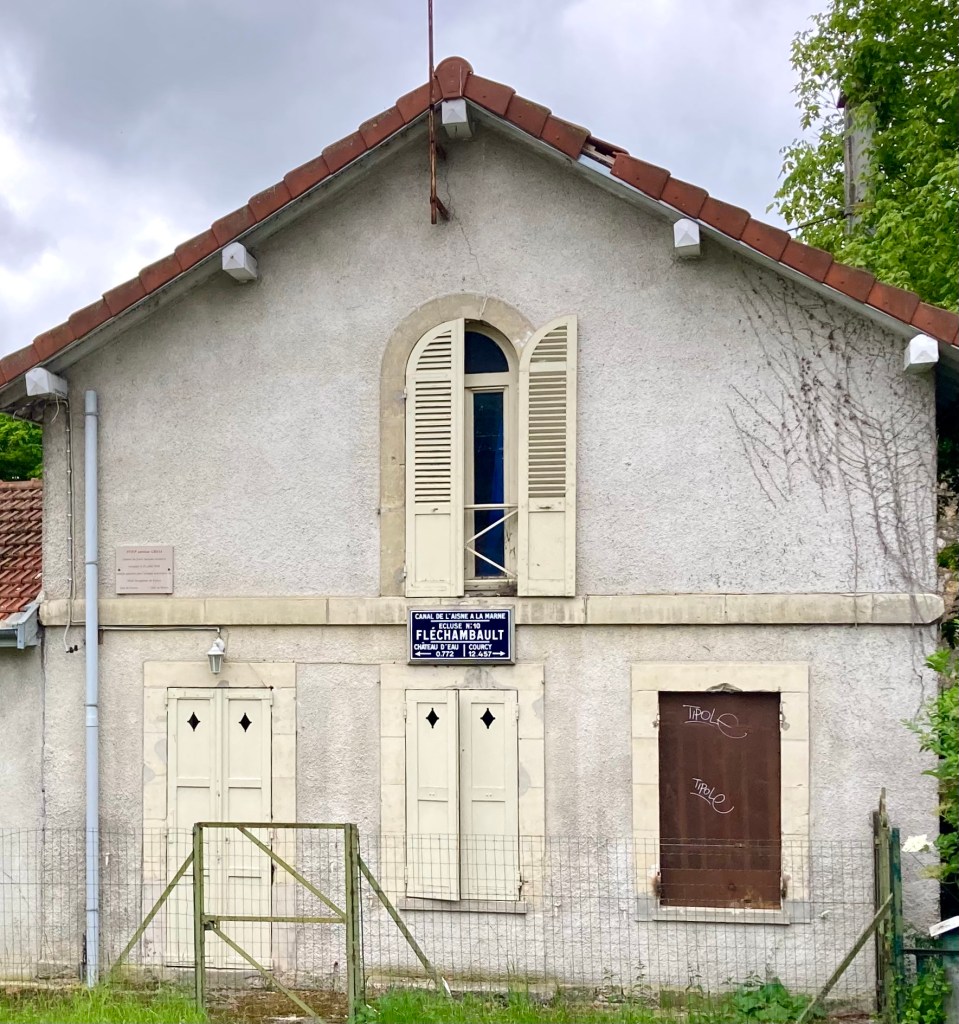
All of this allowed me to get a good photo of the Fléchambault lock house, and the lock gates behind us. The sign above the house door told us we had 12.457 kms to our mooring at Courcy.

After about half an hour we were on our way, passing quite a few boats moored up, either for a city visit or perhaps permanent homes.
You might also notice the oarsman on the left of the canal – something to keep an eye out for, especially whee the map has marked ‘aviron’ or rowing.

We continued through the city, catching a glimpse of the famous cathedral towers.
The rose window there is particularly spectacular, but not to be seen on this day.
The outskirts of Reims on the other side have had massive industrial and canal transport activity in the past.

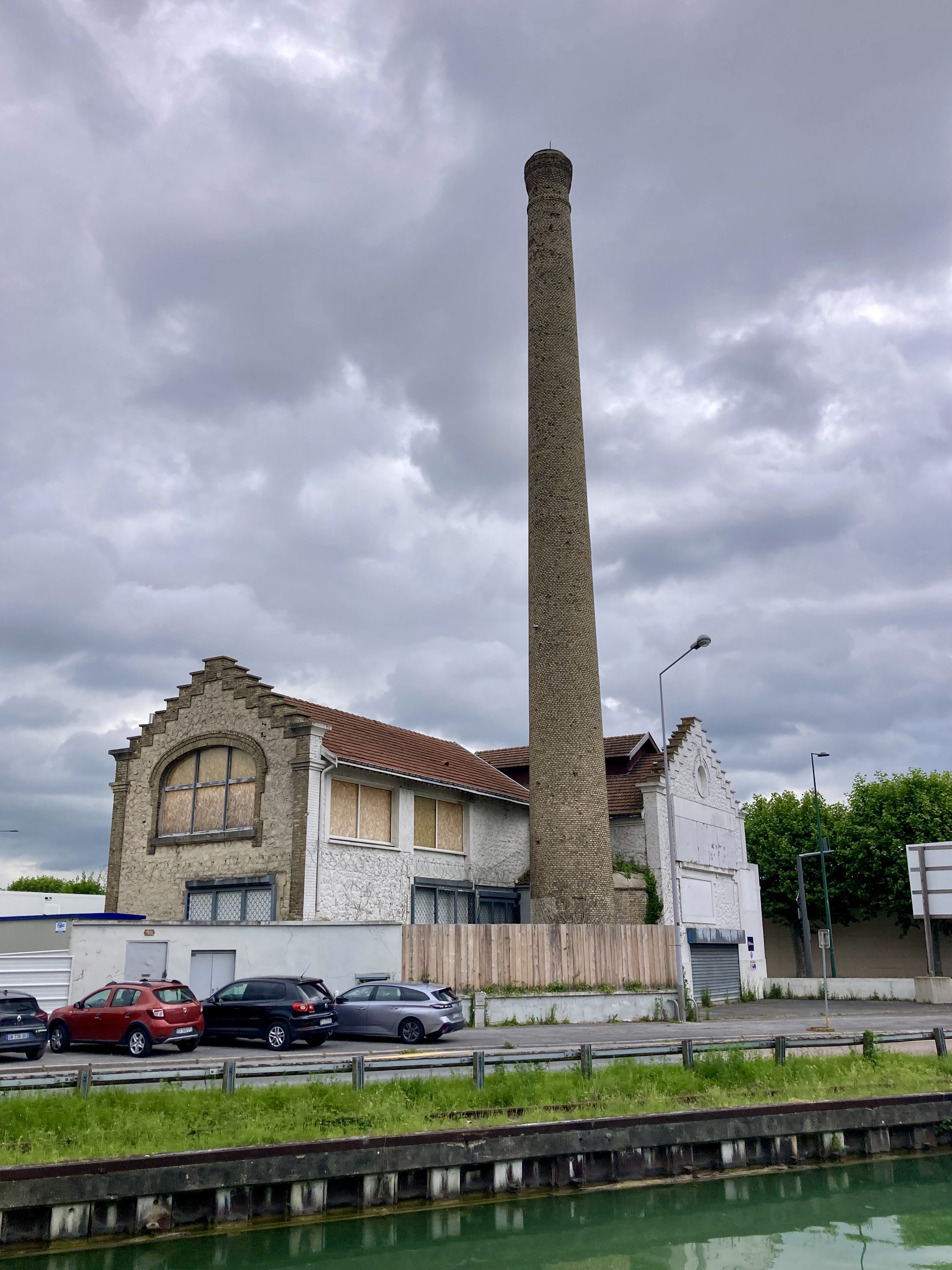
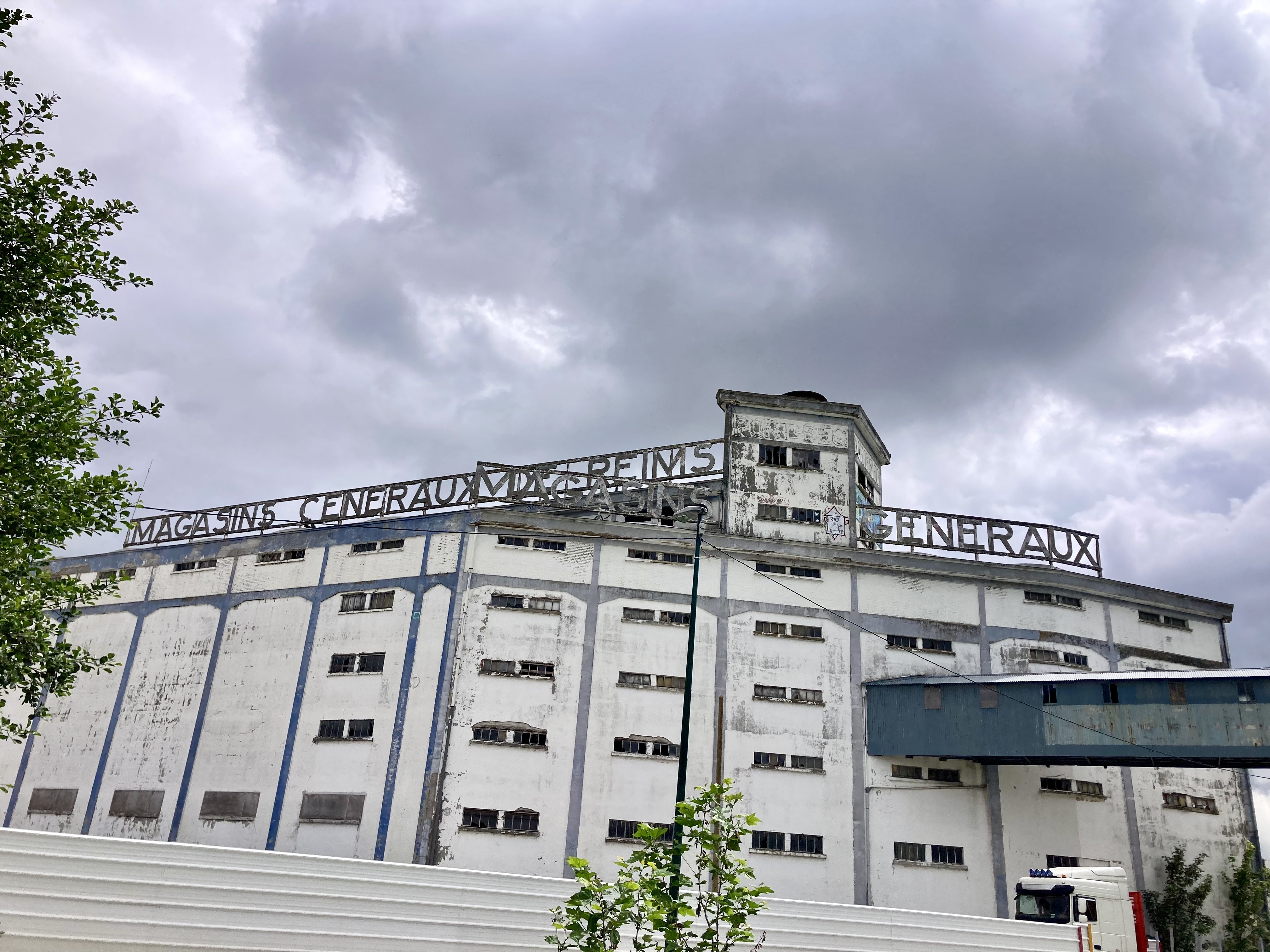

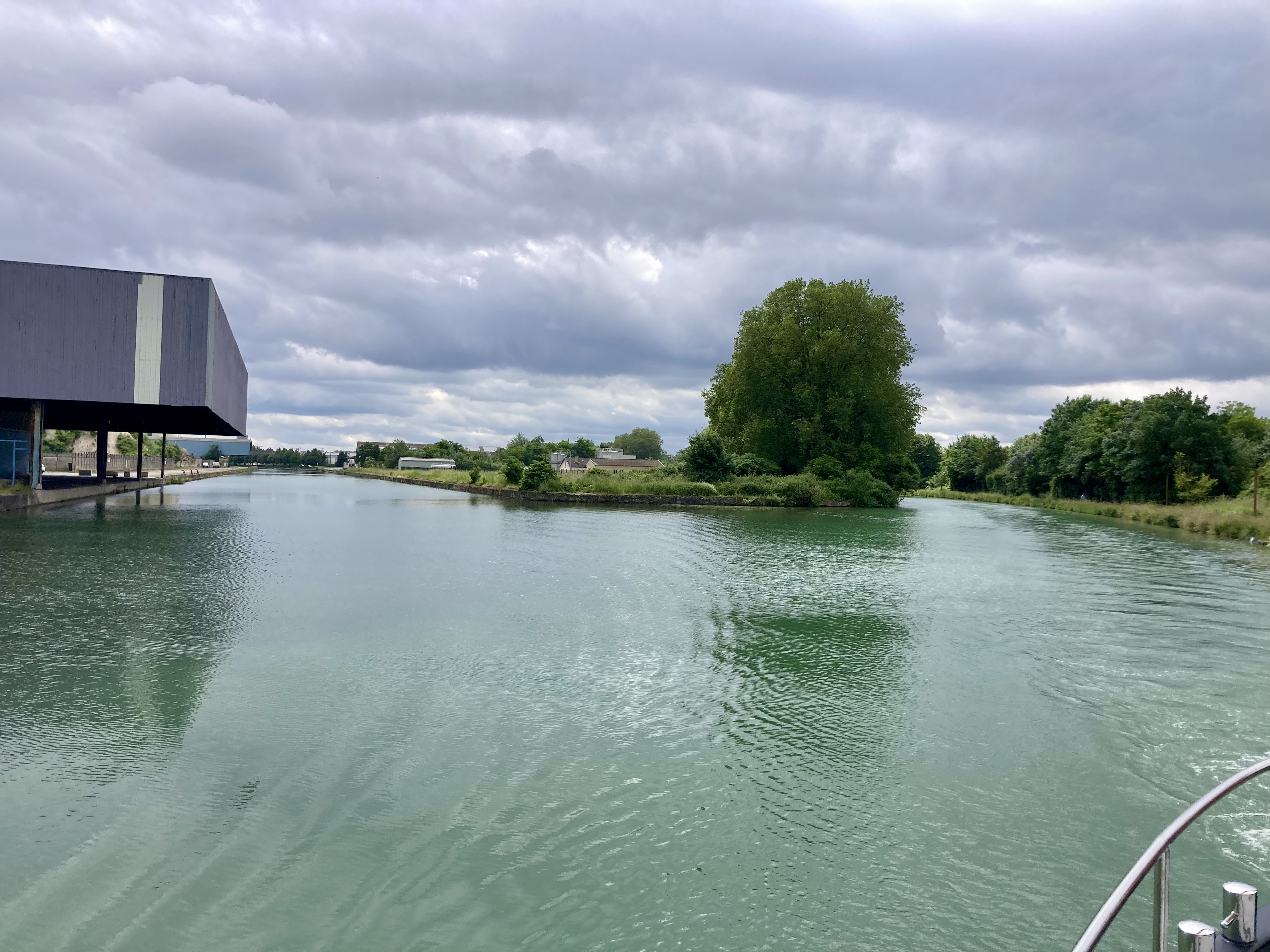
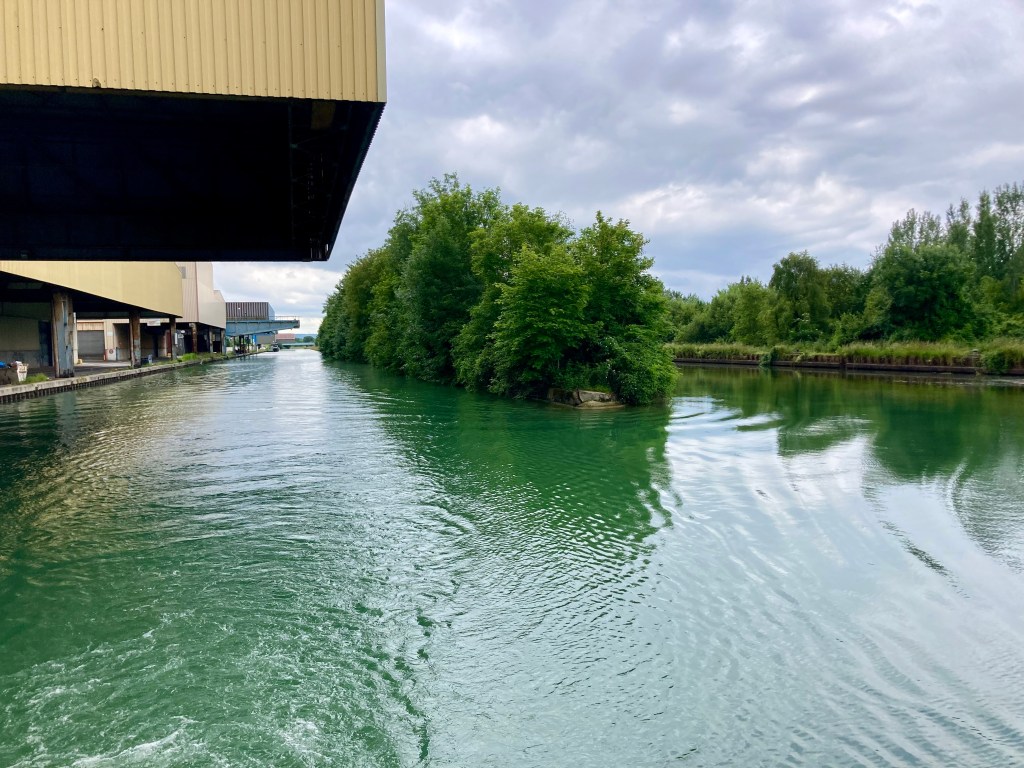
Tall chimneys and warehouses from all time periods were evident as we moved along. Next to the very tall chimney is a handily placed Aldi supermarket; we saw boats coming the other way moor up to go shopping.The bottom right photo shows the huge Port Colbert running off at an angle from the canal.
Built between 1925 and 1950 to replace the original port in the centre of the city, Port Colbert was a hub of activity for grain, malt and coal. Now most buildings have been cleared and there are plans for a new residential area with student accommodation, shops, green spaces etc.
Just beyond the port basin is another long quay, still in use.
An island has been built to create a short diversion and allow boats that are passing through to continue while barges are moored up to be filled and emptied on the quay.

As we left the city boundaries I was amused to see Bart Simpson going in the opposite direction!
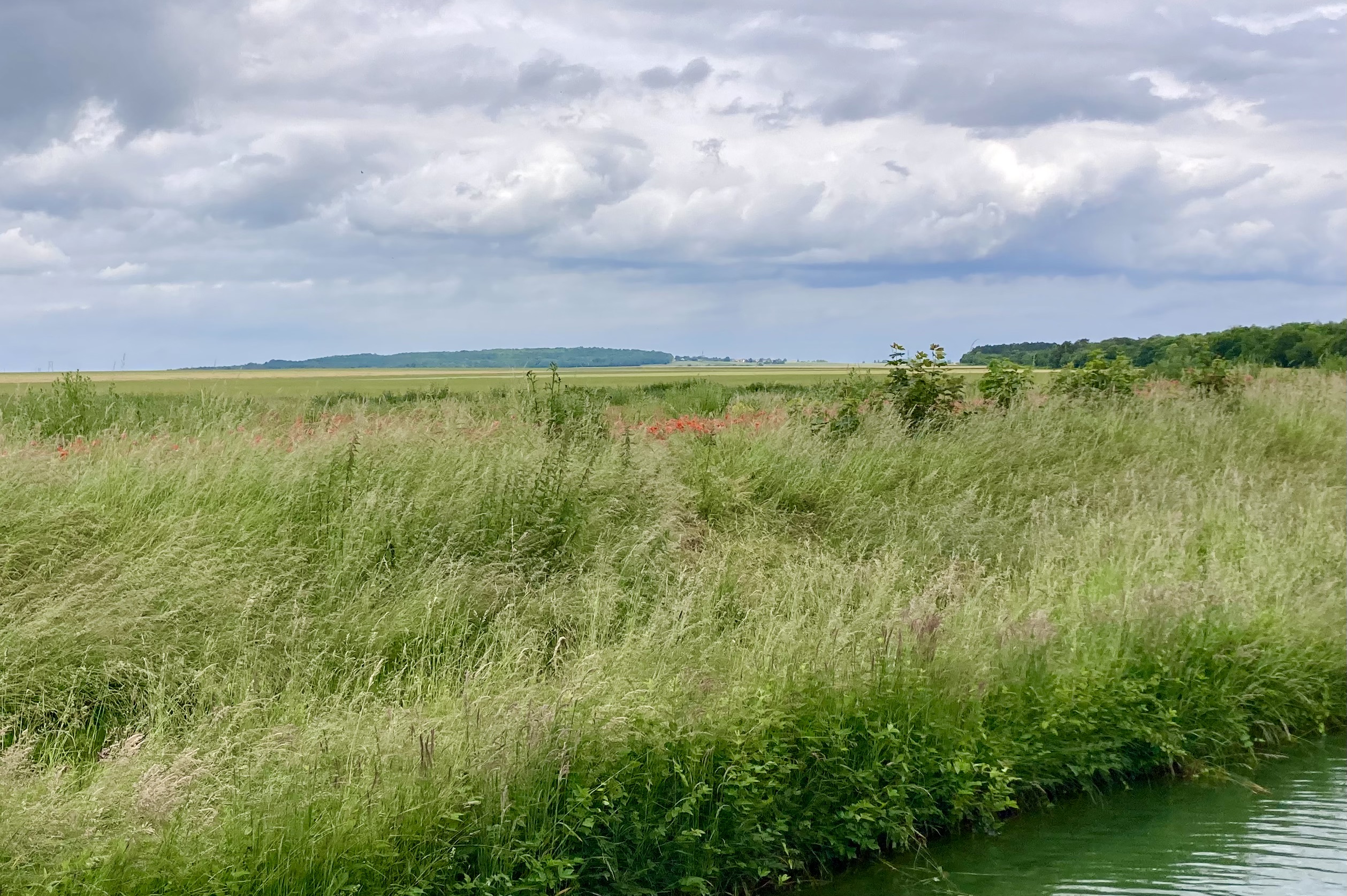
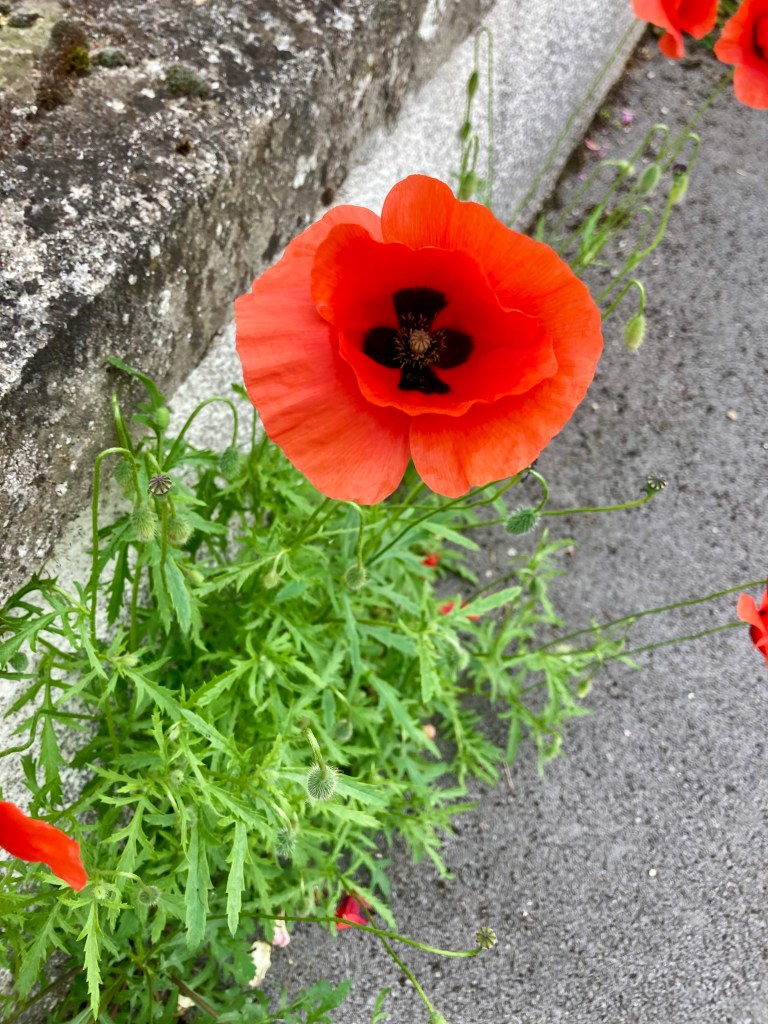
Suddenly we were back out in open country with long views on both sides of the Canal and splashes of red poppies to break up the green.
It was not far to Courcy, and no more locks that day, but still one small challenge.
We entered a narrow stretch of the waterway, maybe a kilometre long and found a commercial barge coming towards us.
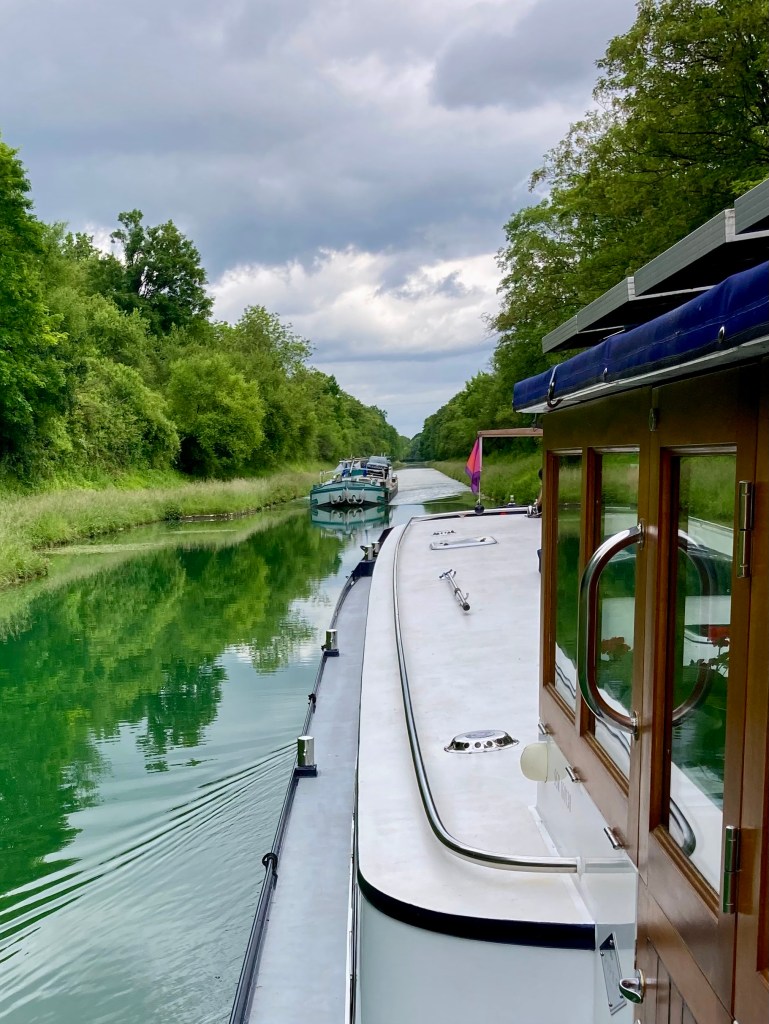
There was enough width to pass each other, and we were just nearing a widening to aid passing boats.
Captain Stu drove a good straight course …..
With that excitement behind us we had just half an hour to go before we were mooring up on the grassy shaded quay at Courcy.

It was definitely time for lunch, and for a bit of a relaxing rest. It’s a very peaceful mooring, so no problem having a short snooze!
Later we gave our legs a stretch and walked the kilometre into the village of Courcy. There are quite a few characterful buildings there – here is a sample.
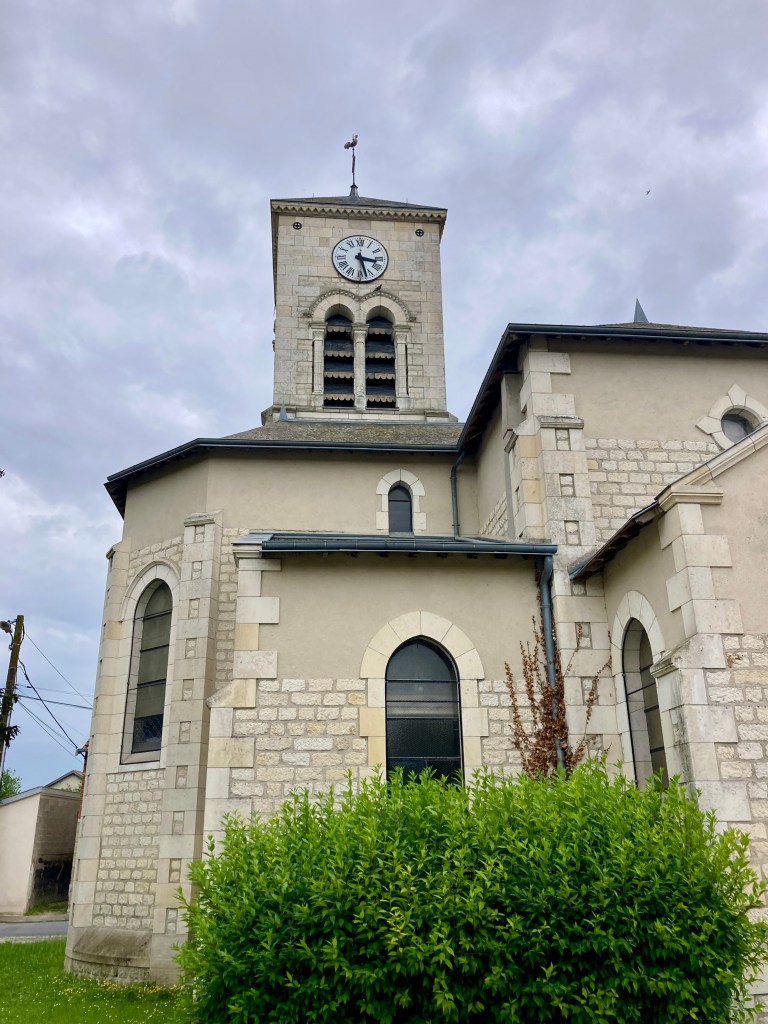

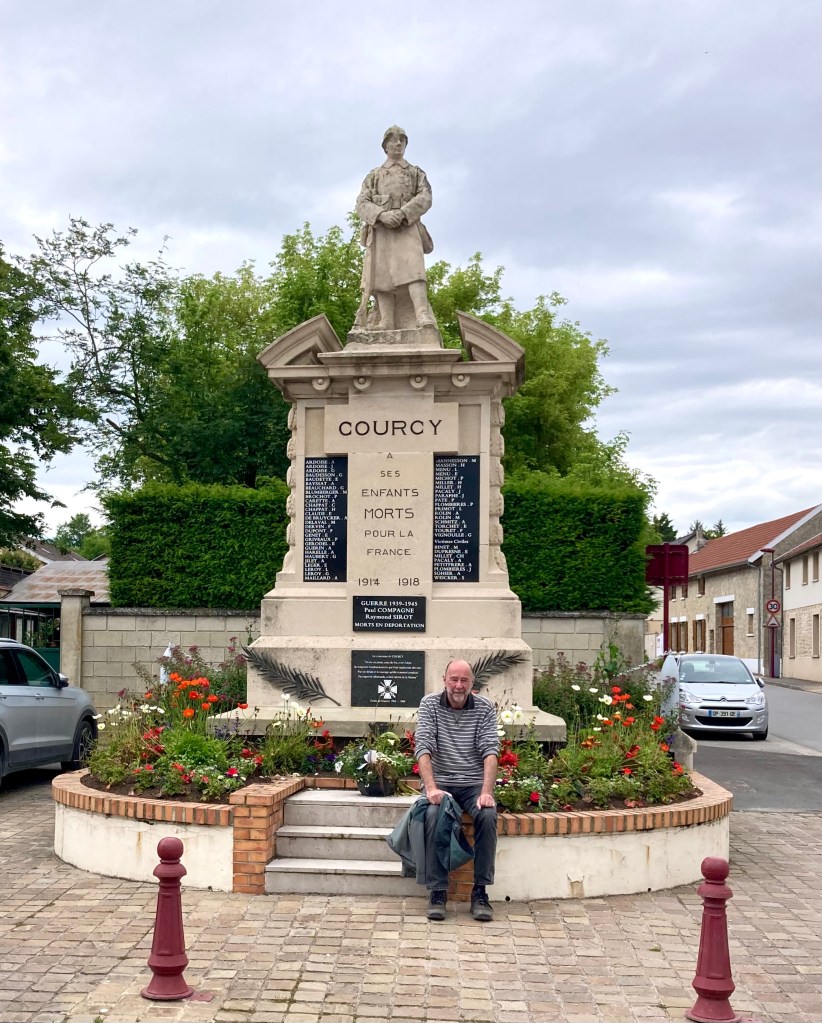

I especially liked the art nouveau lettering on the post office.
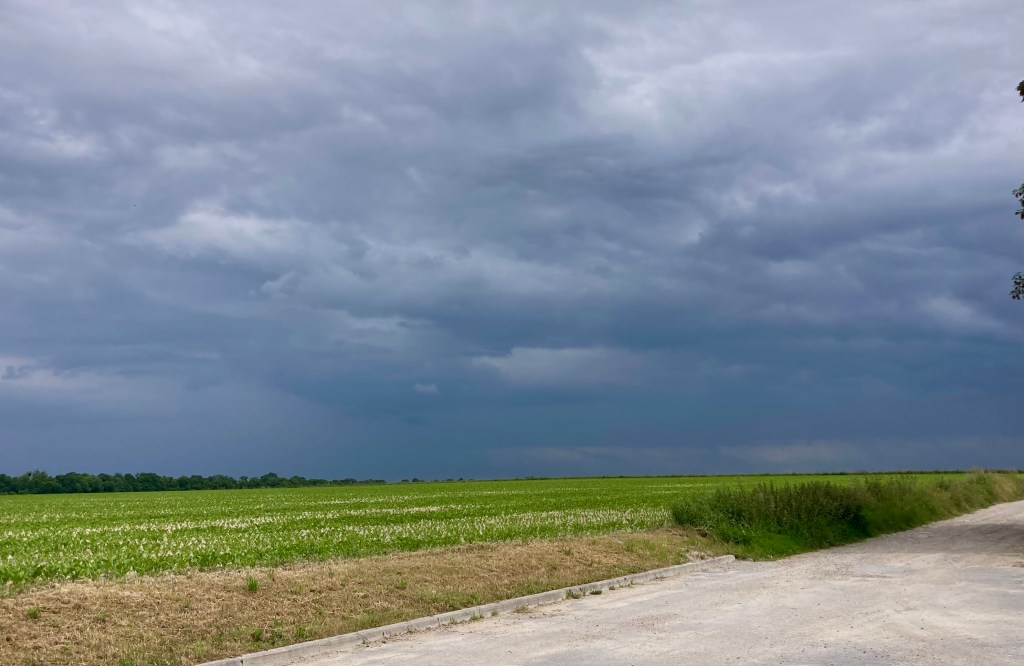
We returned to Calliope with the threat of rain on the horizon
But luckily it did not materialise and we got back dry.
And so ended day 3 of our voyage towards the Ardennes.
Pignicourt
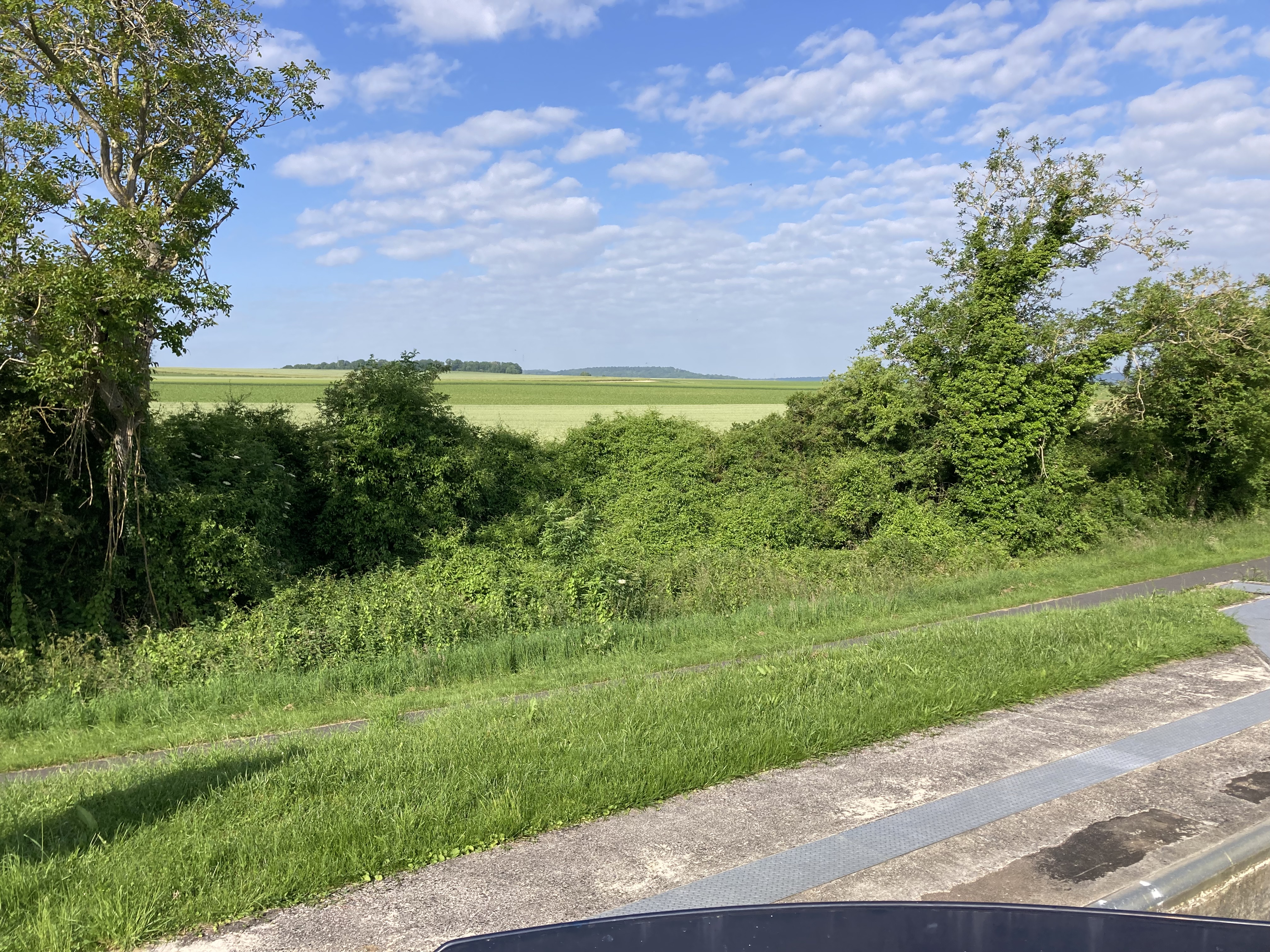
We set off promptly in the morning, pleased to see quite a blue sky across the fields.
Within 500m we were into a short ‘chain’ of four locks, numbers 9, 8, 7, and 6. Things are even easier in a chain off locks as setting off the first one with the telecommand (remote control) leads to the three subsequent ones automatically preparing for us to arrive – whilst taking account of any boats coming towards us.


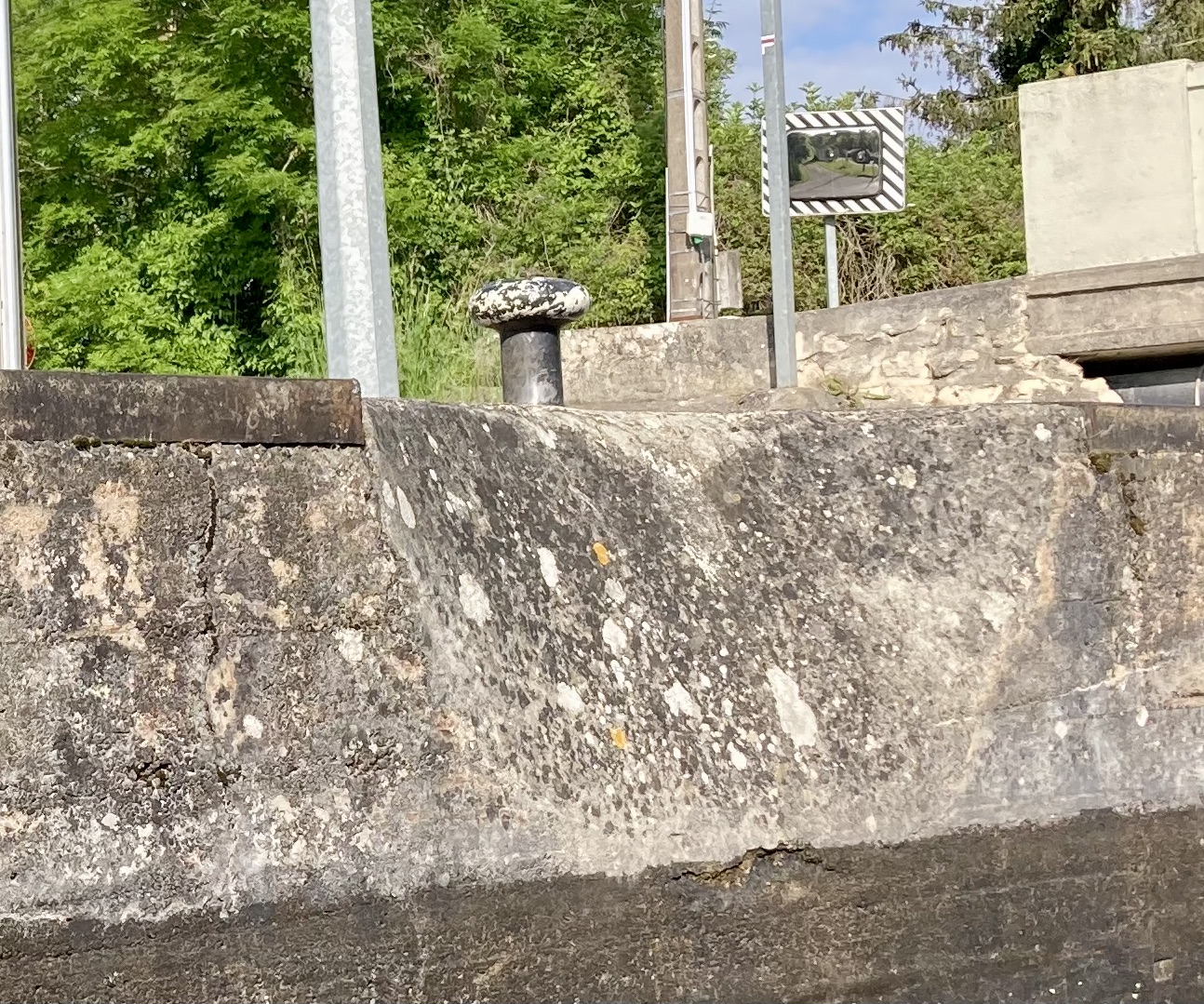
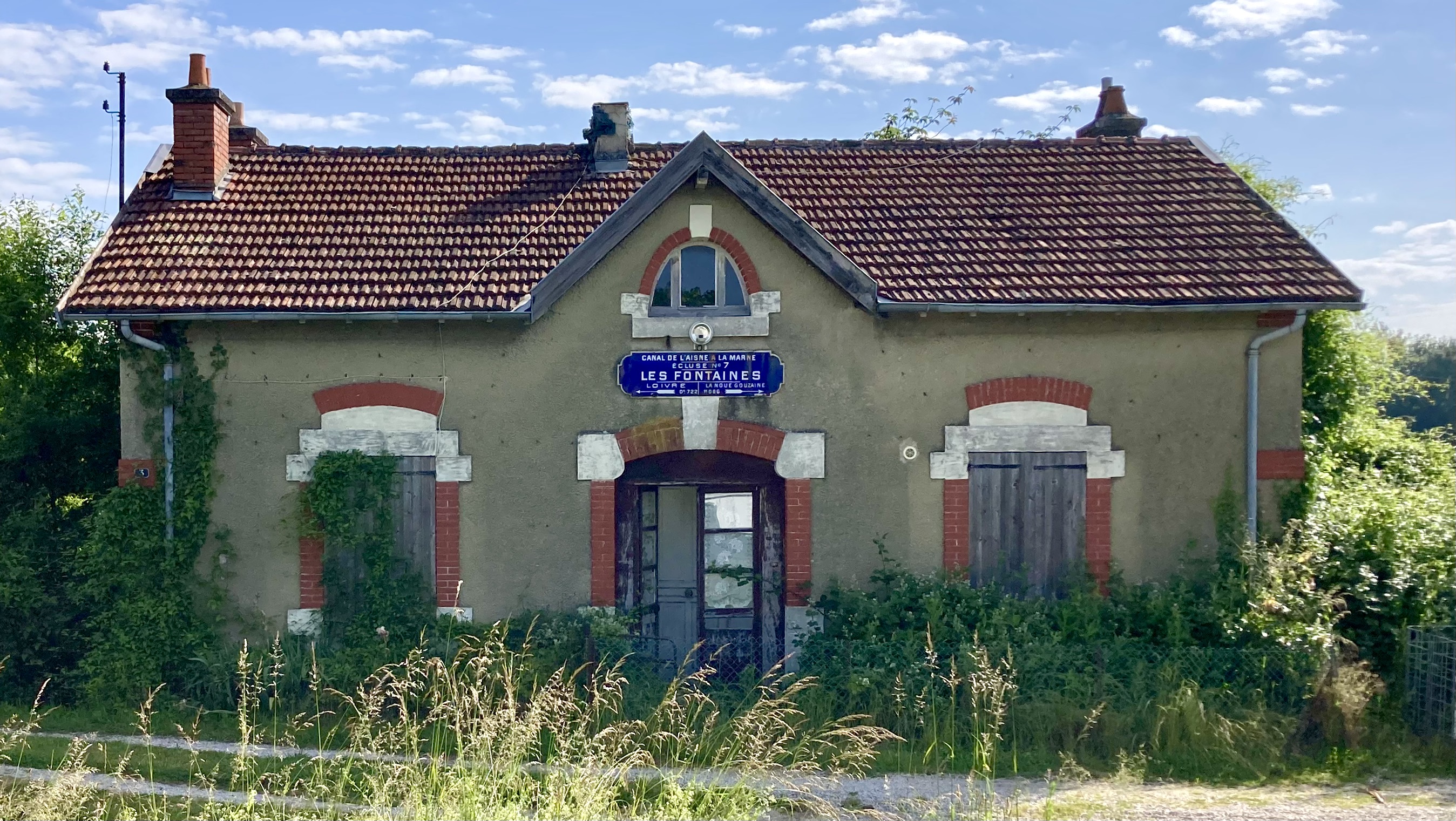
The locks provided interest as always! I think I’m a bit of a lock nerd. Here we have a new lock mechanism in a glass case so that you can see it in action!
The top right photo shows how sometimes lock bollards are set into a curved bay, making them easier to lasso from below.
And of course the other two photos are of the lock house at Les Fontaines écluse, boarded up and deserted, and of Calliope leaving an earlier lock, probably Noue-Gouzaine.

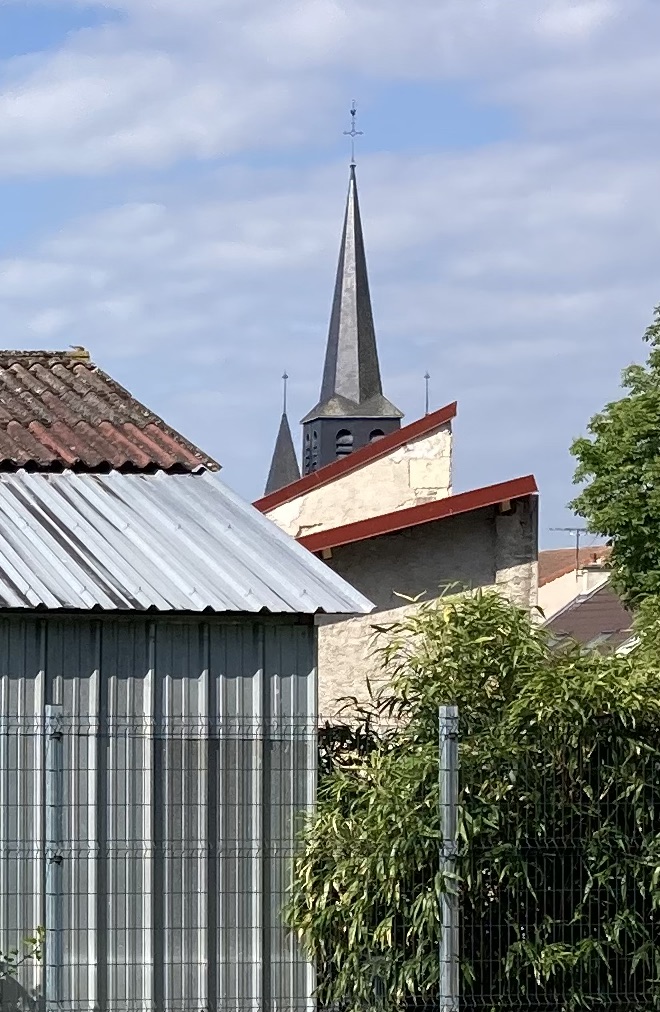
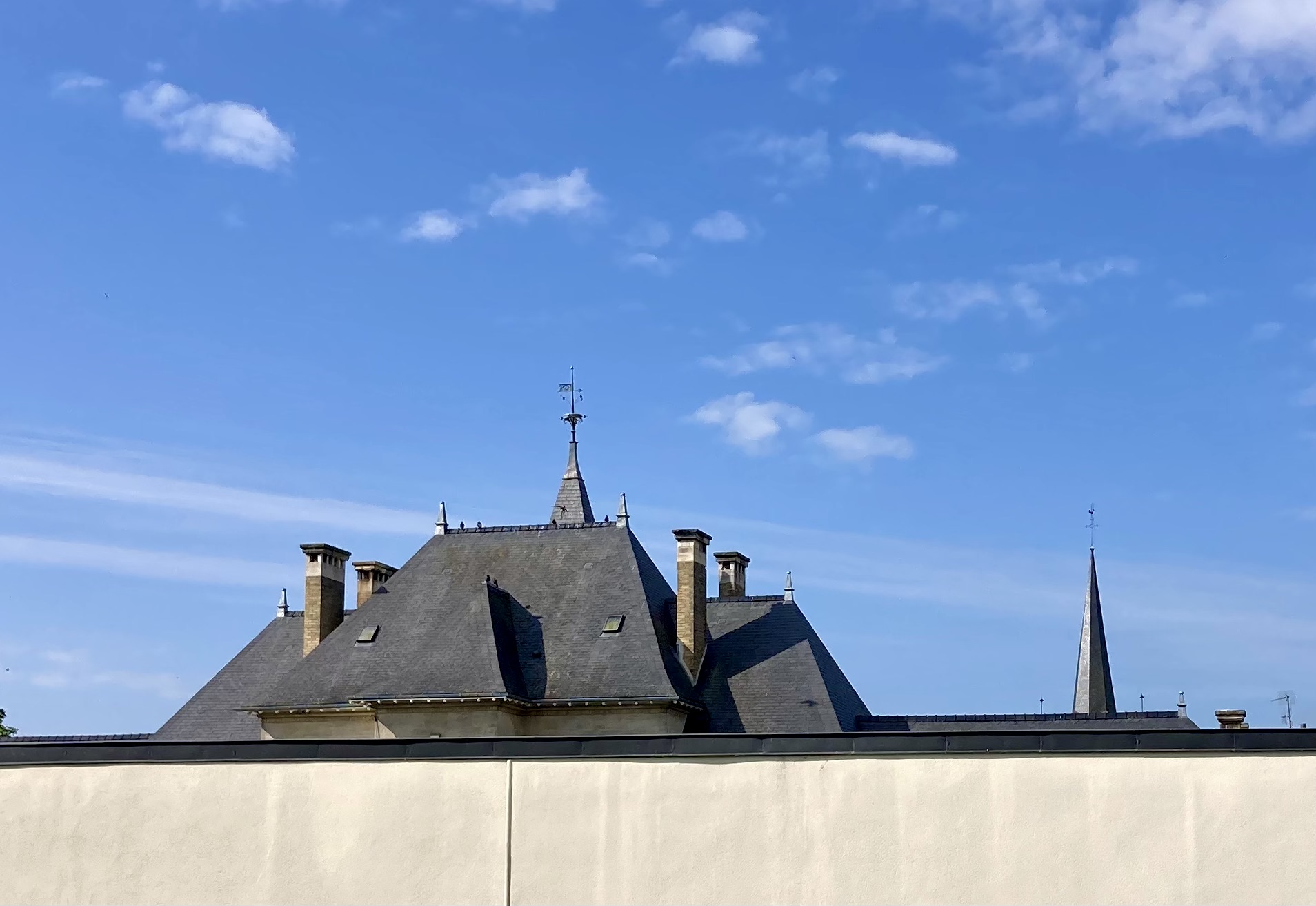
We came to Loivre, the last on the chain of 4 locks, and found in this small village a huge commercial basin and some fascinating roof shapes. Reading the village history I have discovered what a busy place this was before WW1 – with silos for grain, a ‘sucerie’, or sugar factory, and other businesses using the canal for transport.
Sadly a lot was destroyed during the war, including the locks, that have subsequently been rebuilt.
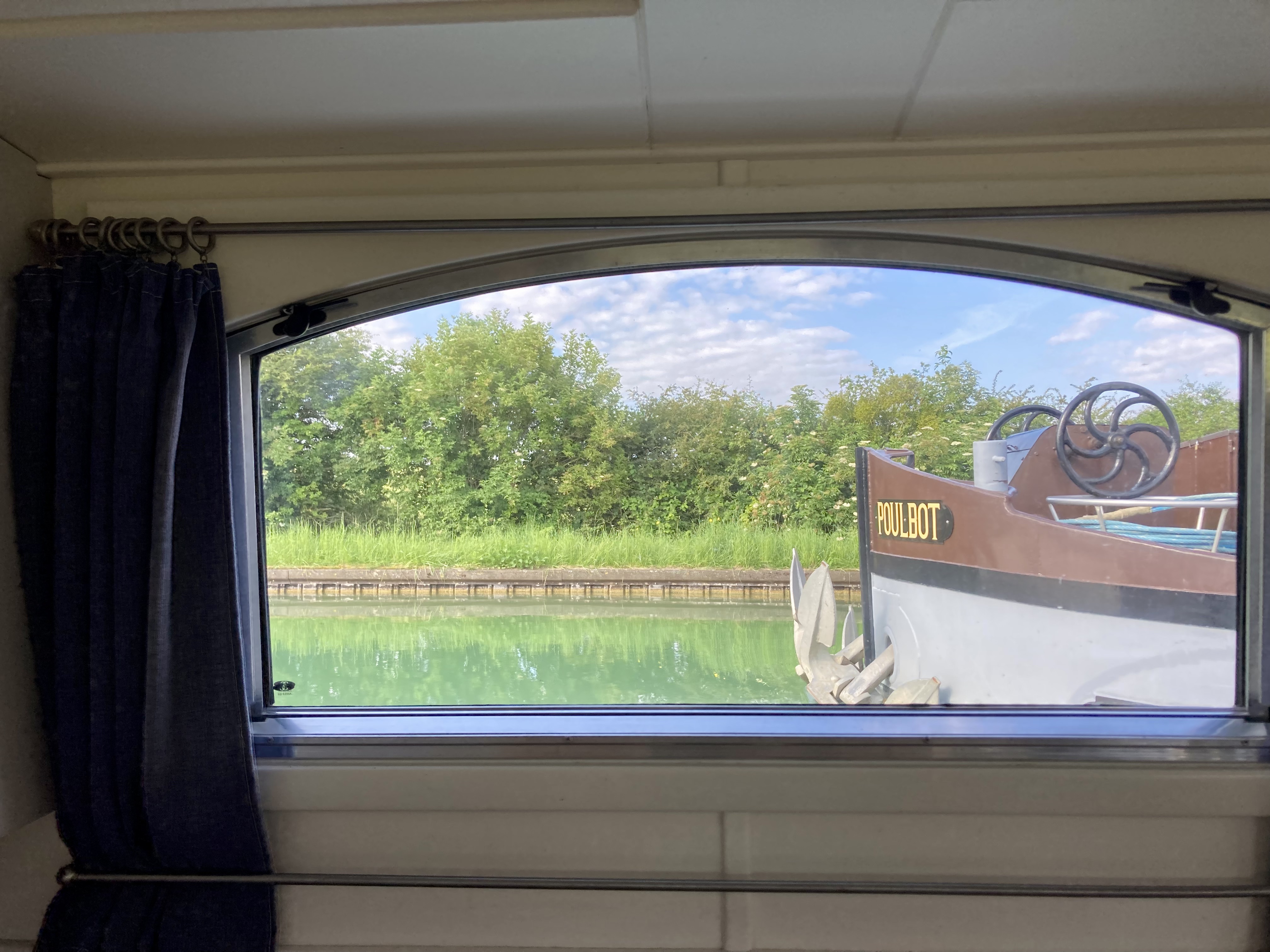
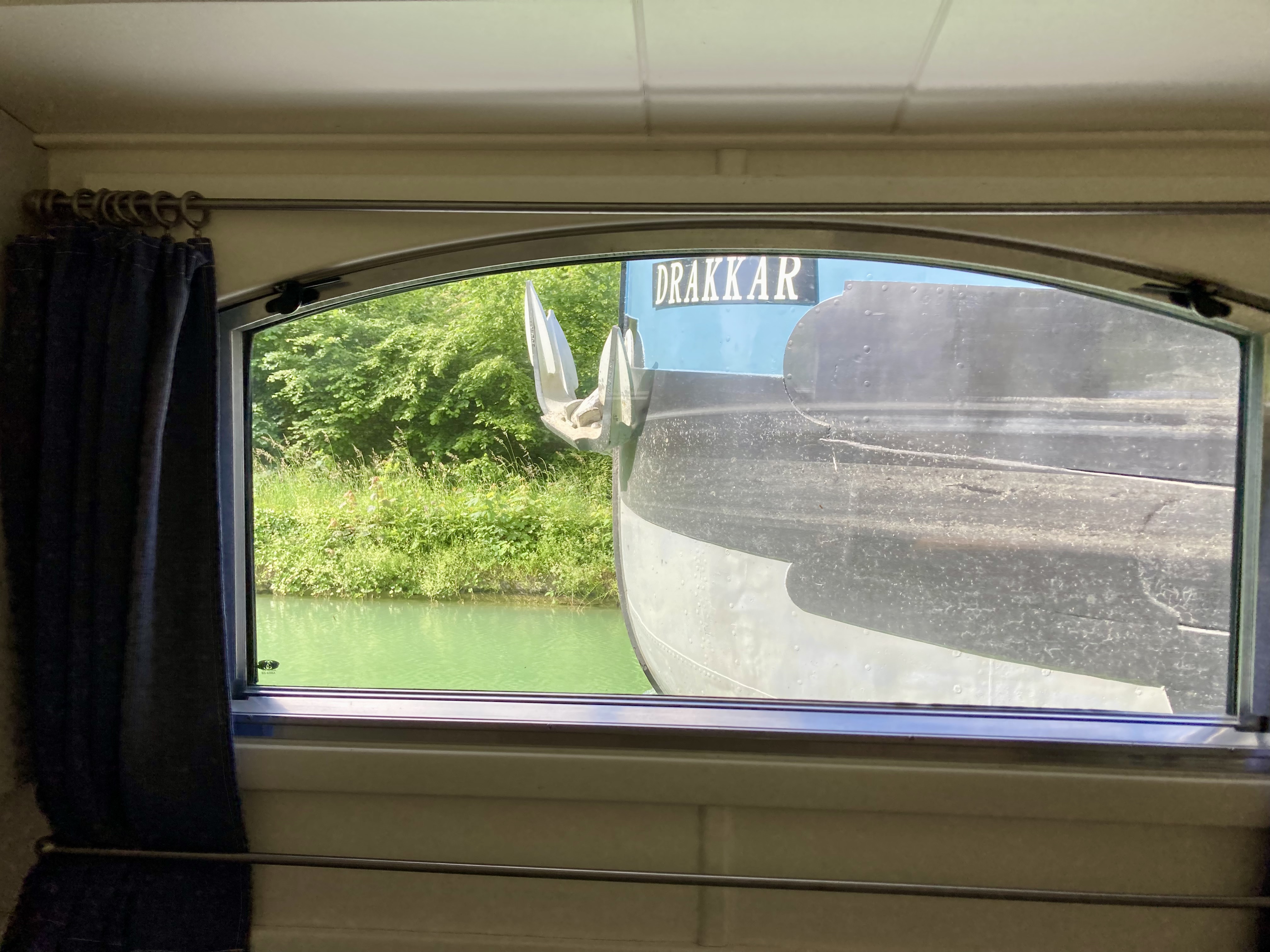
In amongst all my sightseeing and photography I went down into the cabin to make tea and coffee a couple of times. On both occasions commercial barges passed by, proving that the canal is still a used transport route to Reims.
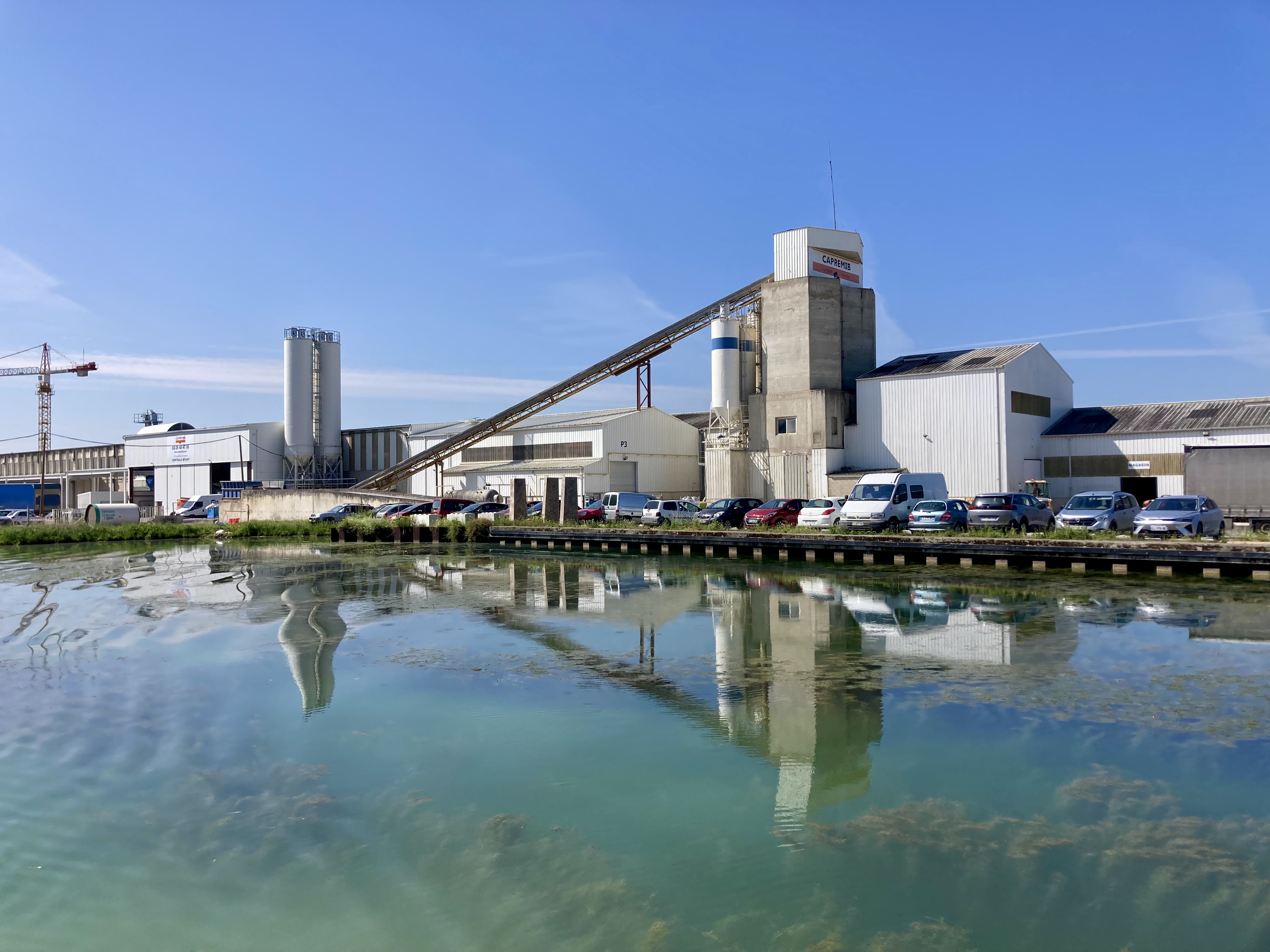
It was disappointing in a way to get to the Comicy basin, with its big cement works alongside, and to recognise that the business has turned its back on the canal and is operating by lorries and road from the other side.
Captain Stu continued to take us gently into and out of the last few locks.
This one is just before the Comicy basin and named Alger; you can see the cement company coming up.


At Sapigneul lock I was joined by what I thought was a brightly coloured beetle, looking for a home within the stone lining of the lock.
It turns out that it is a type of ruby-tailed wasp – one of a very large genus of cuckoo wasps that luckily do not sting!
Just a few minutes later we went passed this small old building.
We could not work out what it was. We could see the word Sapigneul and now understand that a battle took place there in 1917 during WW1.
It is on the Chemin Des Dames, a route with an interesting history, and along which three WW1 battles were fought.

We were now within 2 kilometres of the end of the canal. The countryside was so beautiful in the sun, with the green and yellow of the fields, matched to the blues of the water and sky.
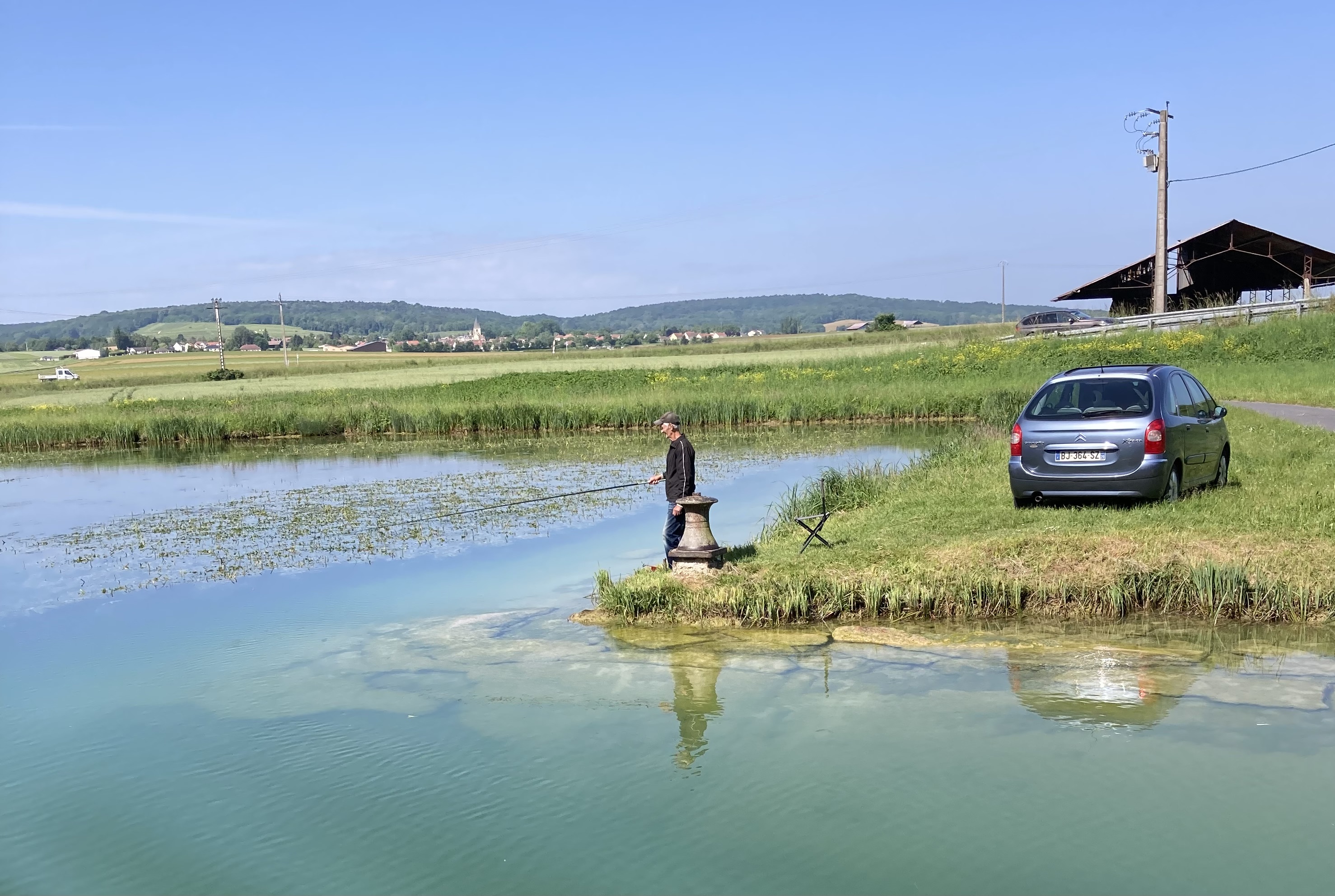
I took too many photos of the landscape around here, so just one with a fisherman for added interest – including one of the capstans on the corner to help the big barges of the past to turn into the basin.
We thought that we might stop above the last lock as there is a big silo quay, but when we got there it was clear that it is still in use commercially. Notices in French told us not to moor there during working hours- very sensible.
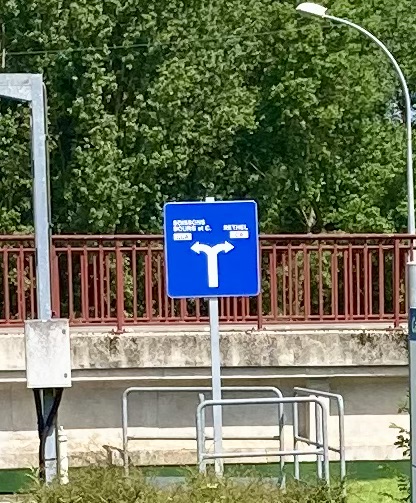
So we went into the final lock that took us into the Berry-au-Bac T-junction basin, where the Canal Lateral à L’Aisne goes to both right and left.

It is n ot so easy to read the choices on the photo above, but very clear when you come to set the lock going.
The blue lever would set the next locks onwards towards Soissons and Bourg – not for us.
The green lever tells the system that we plan to turn to starboard and head for Rethel; our way towards the Canal Des Ardennes.
Having set the right lever in motion we went downwards for the last time for a few days, leaving the old Berry-au-Bac lock keeper house and the now closed shop behind us.
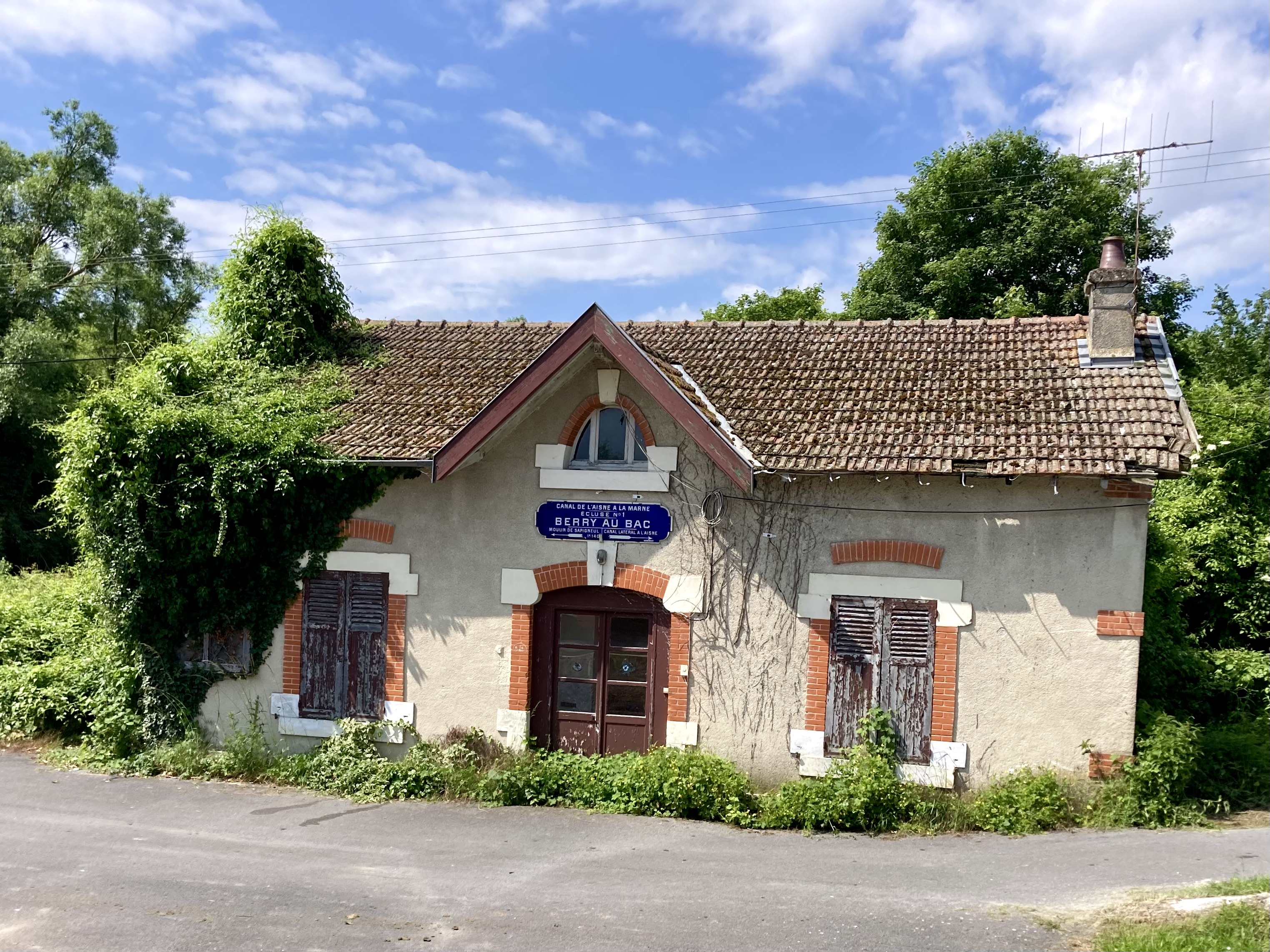
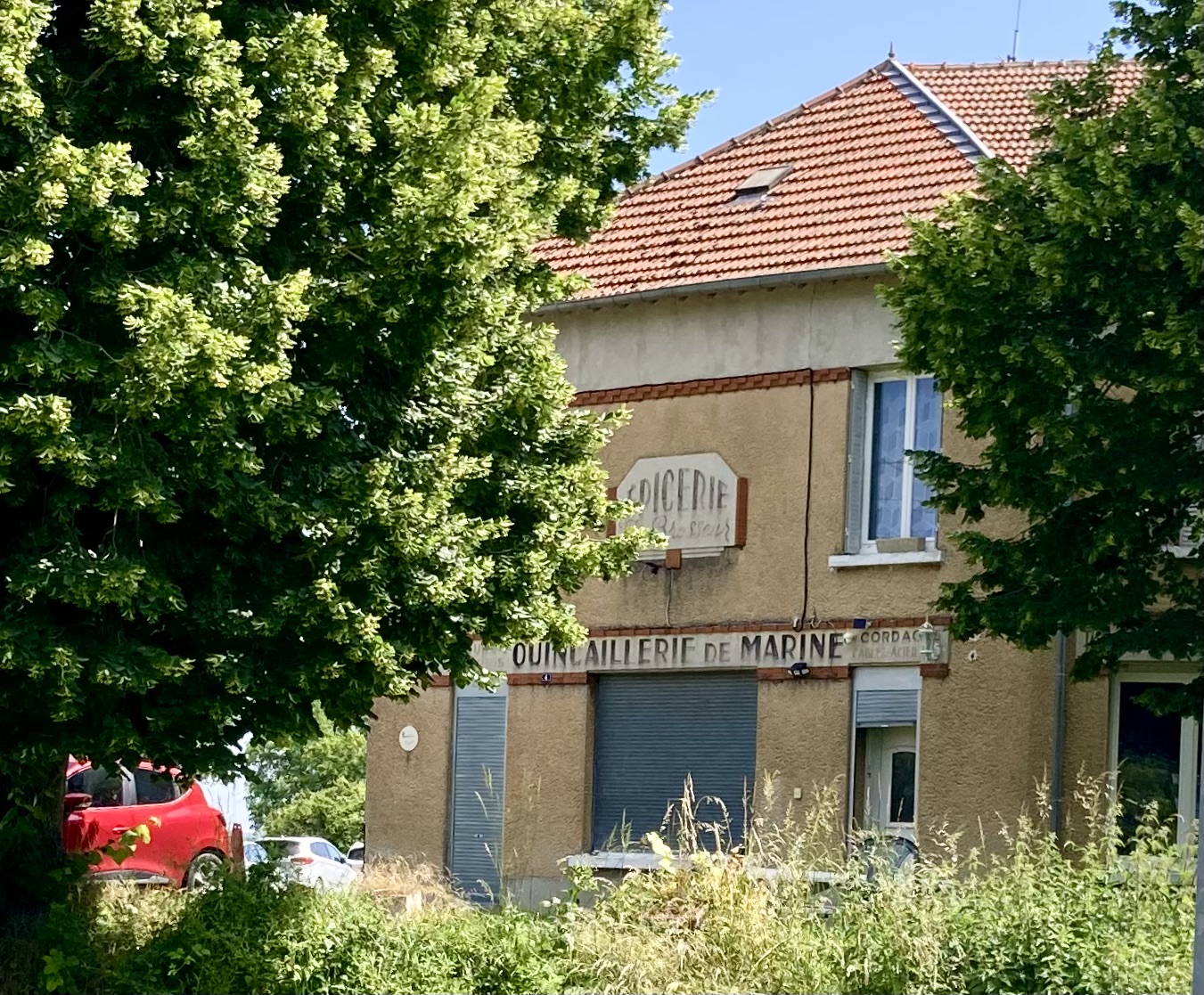
The shop was once a useful destination for bargees. It was an alimentation (food store), quincalierie (hardware store) and bar, all in one. and strategically placed at the junction of two busy canals.
I bet those walls could tell some tales!

Although its hey days are gone, Berry-au-Bac is still a busy area for commercial barges.

The next one into the lock after us was a working barge, complete with a car to nip off to the shops, or get the children to school.
In the meantime we moored up in the largely empty basin for a lunch break. We are the little barge in the middle! Calliope looks so tiny next to the commercials boats!
And we were now officially on the Canal Lateral à l’Aisne.
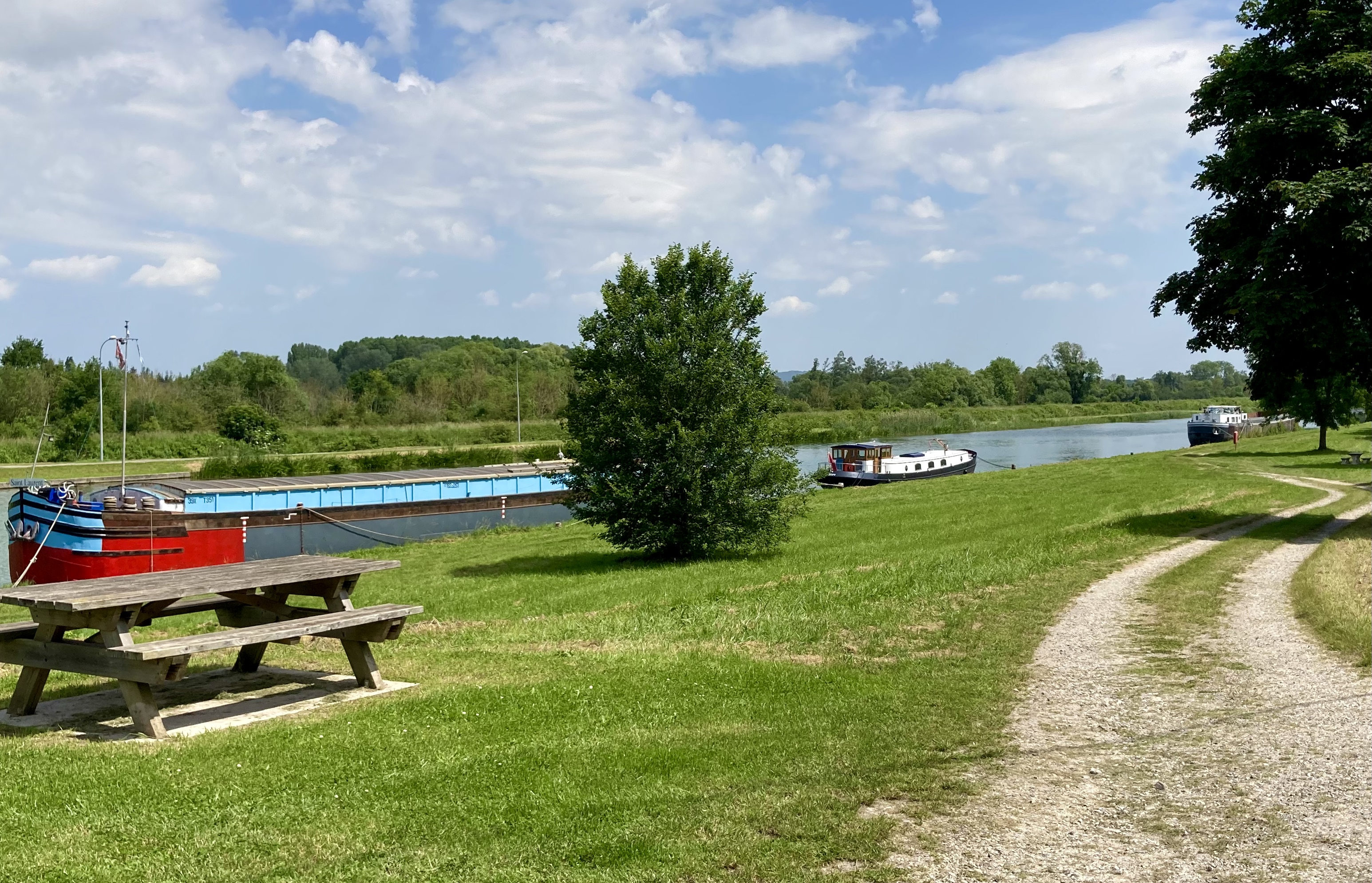
After Stu had been driving Calliope all morning it was my task to go and look for fresh bread for lunch. I walked over the lock, the canal, a small arm of the Aisne and the main river, all within a few hundred yards, and on into the small village of Berry-au-Bac.


There is a small, but good, boulangerie in the village and I was able to buy bread for that day plus a tasty quiche to warm up for lunch next day when we thought we would probably be out in the wilds.
After a pleasant midday break we set off to find our one night’s mooring on this canal before we joined the Ardennes.
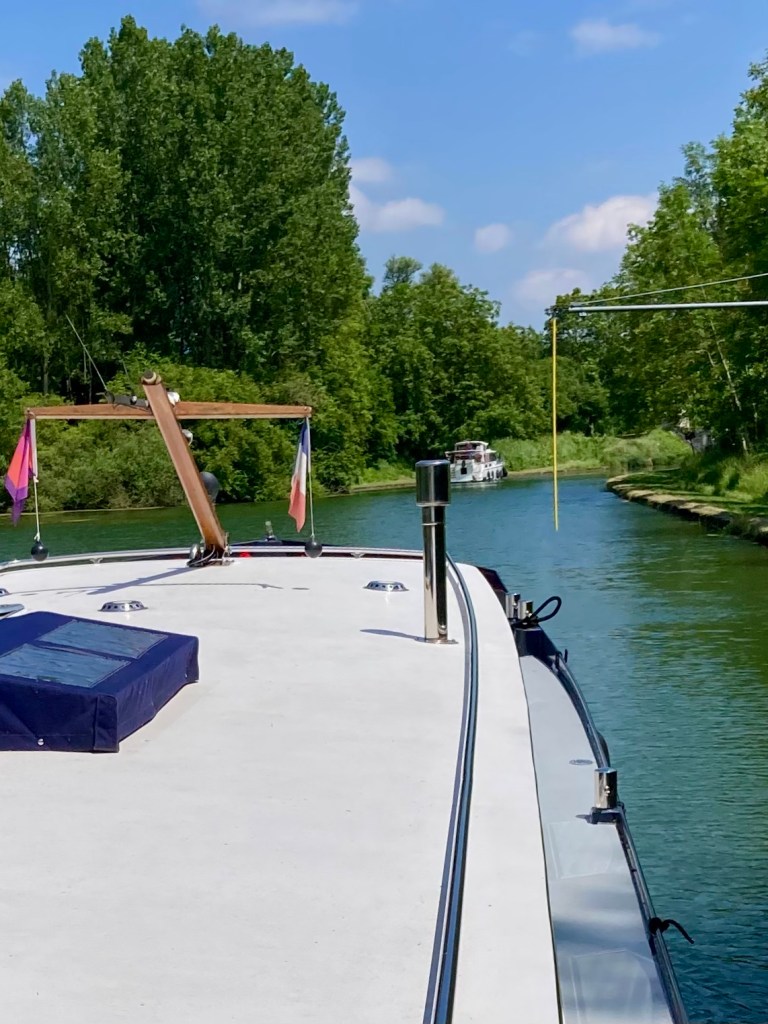
It was not long before we came to a halt. A cabin cruiser that had been marking time with us since Sillery appeared to have moored up just before a lock.
But it was soon apparent that the lock was out of operation, and they were waiting for the VNF Service van to arrive.
We moored up on the opposite bank, quickly pulling out a mallet and two stakes to hammer into the grass. Once secure I walked round to speak to them and discovered that they had been waiting for half an hour, and that someone would be there soon.
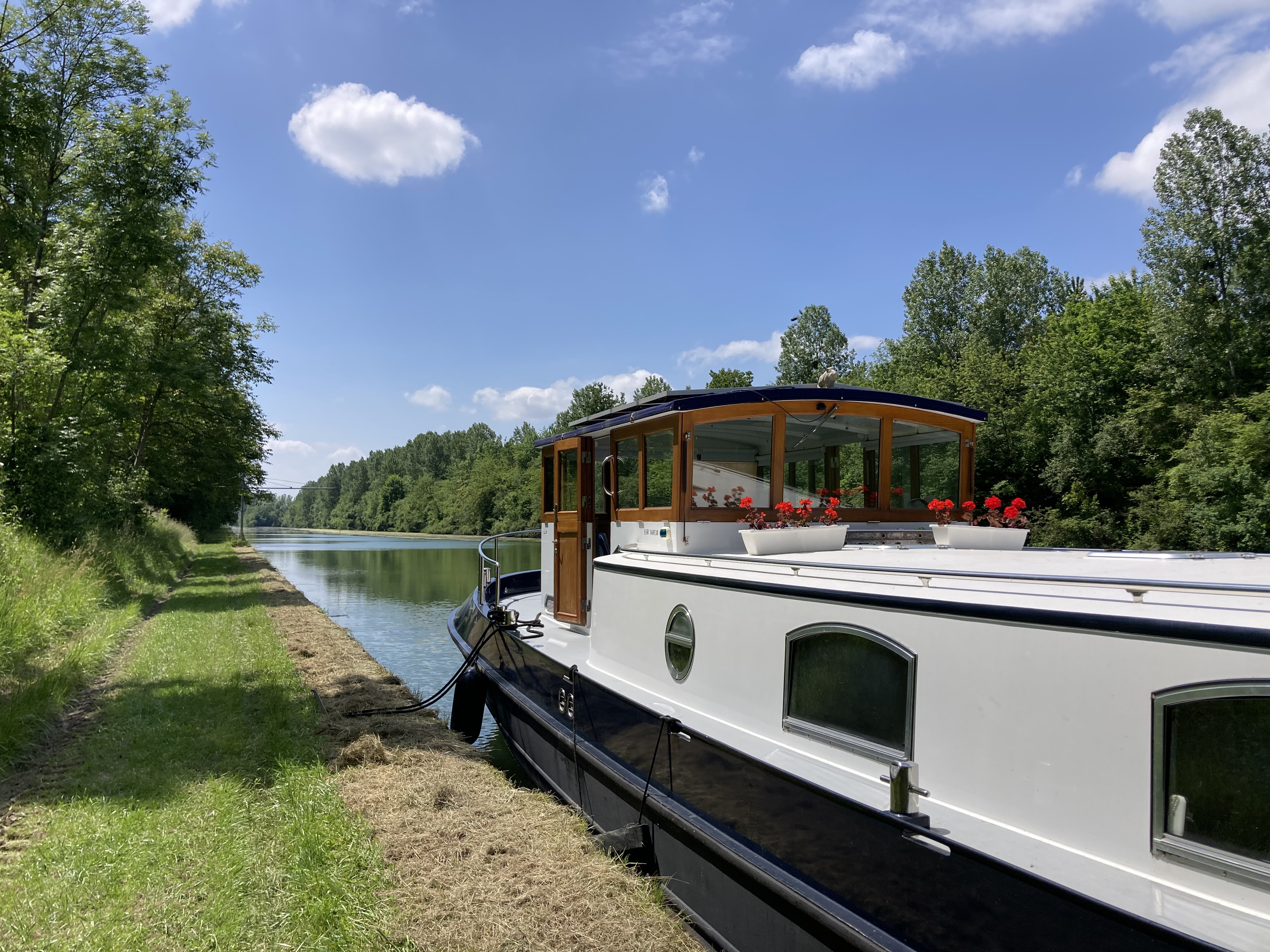
As far as places to get stuck are concerned I have been in a lot worse!. We settled down for the wait, knowing that we could not fit into the lock with the other boat, so would be waiting for the second lock up, ie boat 1 goes into lock; lock fills; boat 1 leaves; lock empties, and then it is our turn.

About an hour after arriving at the lock it was our turn to go into our first lock on this canal.
It was interesting to see the change in height of the lock wall. During wet seasons the higher front lock doors would act as sluice gates to hold water back and help prevent the lower levels flooding.
As we left the lock we went over the small river Suippe, which flows into the l’Aisne on our port side.


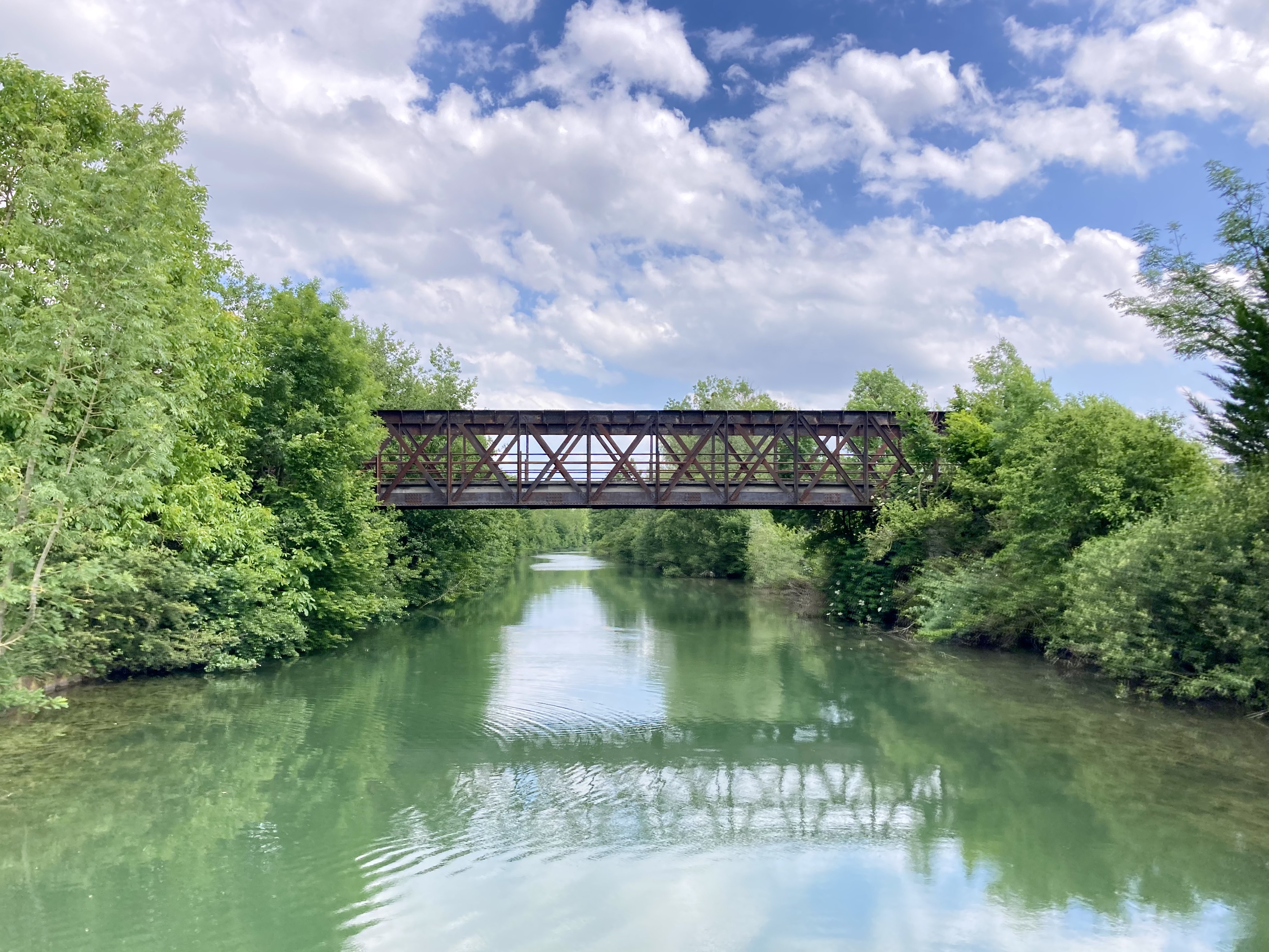
The canal narrows for a while after this, and overall has a different feel to the canal we had been on before lunch; much more wooded, and less arable, at least on the bits we could see!
An hour later and we were going through Pignicourt lock and looking at the long quay where we planned to spend the night. We reckoned that of we moored up at the far end form the lock we would leave plenty of space for any commercial barge waiting for the lock, or even wanting to overnight next to us.
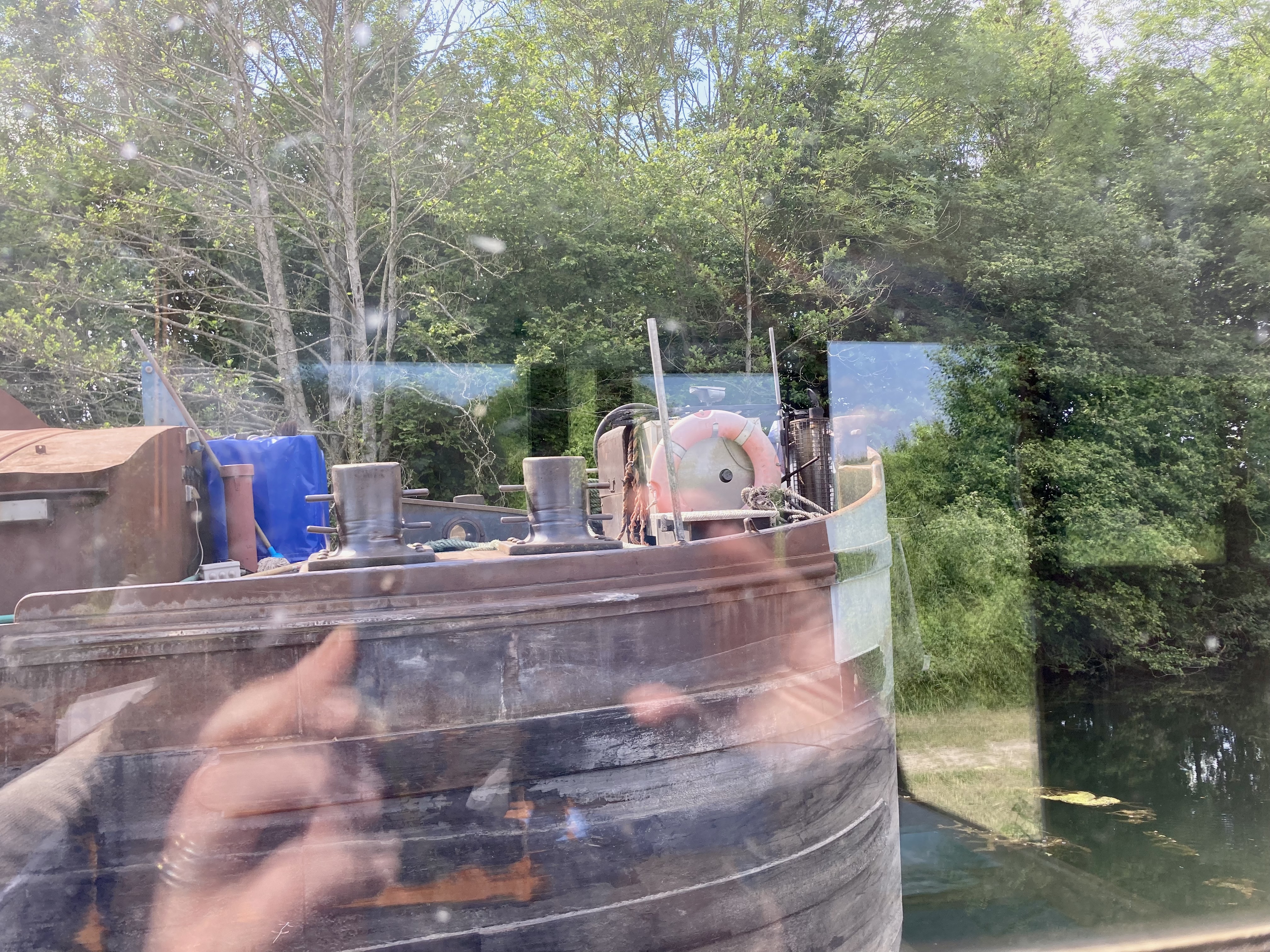

We were passed by two boats that evening, and the first was a commercial barge; my photo of it is through a window and I rather like the arty feel of the image with reflections of my hand and of the opposite wheelhouse windows. Apologies if it is confusing.
The other boat, Mathilde, slowed down to have a quick chat before continuing on and leaving Calliope to a peaceful night.
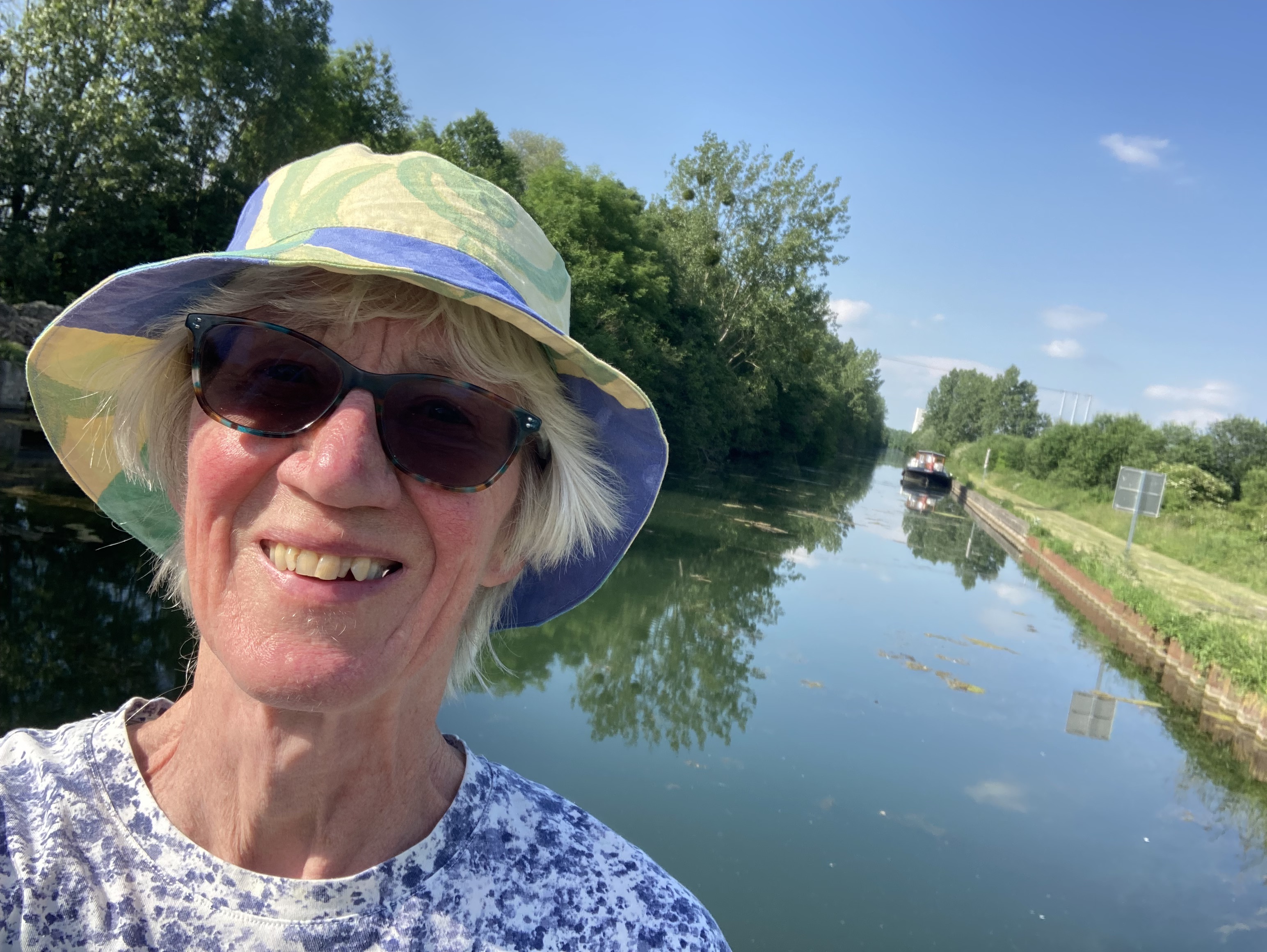
Once settled in our mooring I was off to have a quick look at the river flowing nearby. After following a path through the trees and down a bank I found a huge bend of the l’Aisne curling round beneath me.
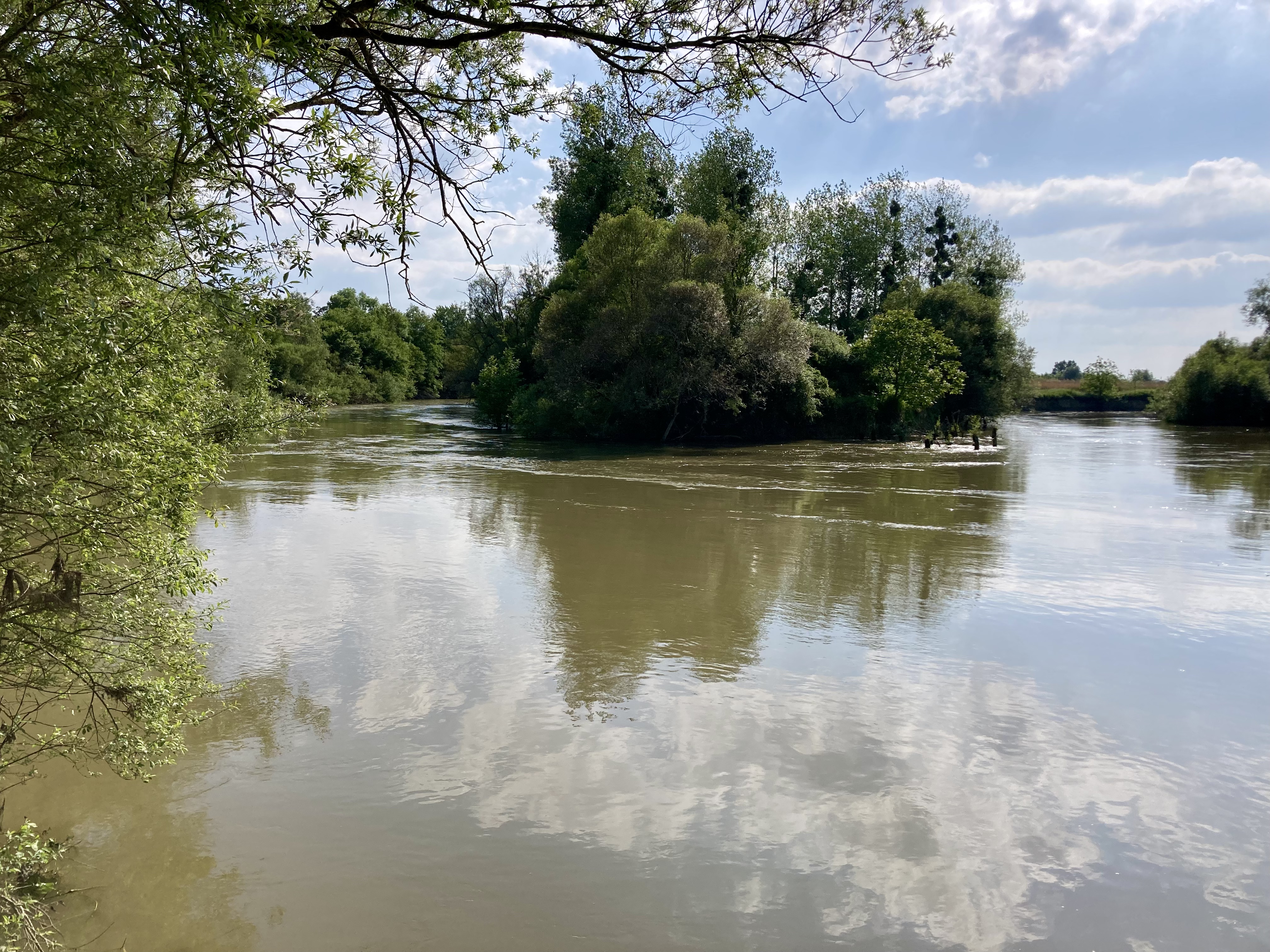
The morning was glorious. We had about an hour and a half until we were on the new canal, so not much to report.

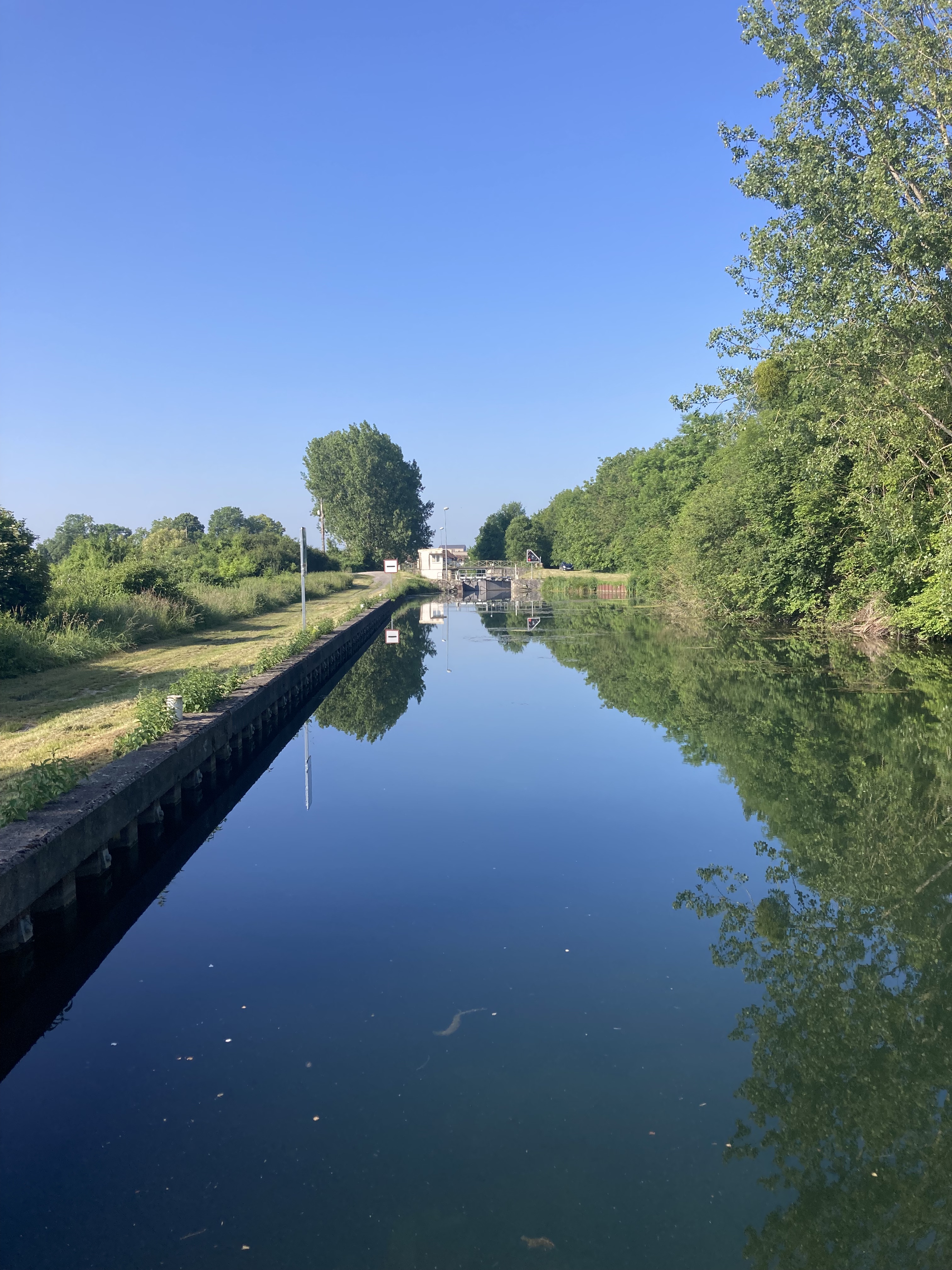

I had a sunshine breakfast on the back deck before we ‘set sail’, giving me energy to clean up the cabin roof again. I find that when there has been heavy dew fall I can use that moisture to wash the roof and save me the effort of pulling buckets of water from the canal!
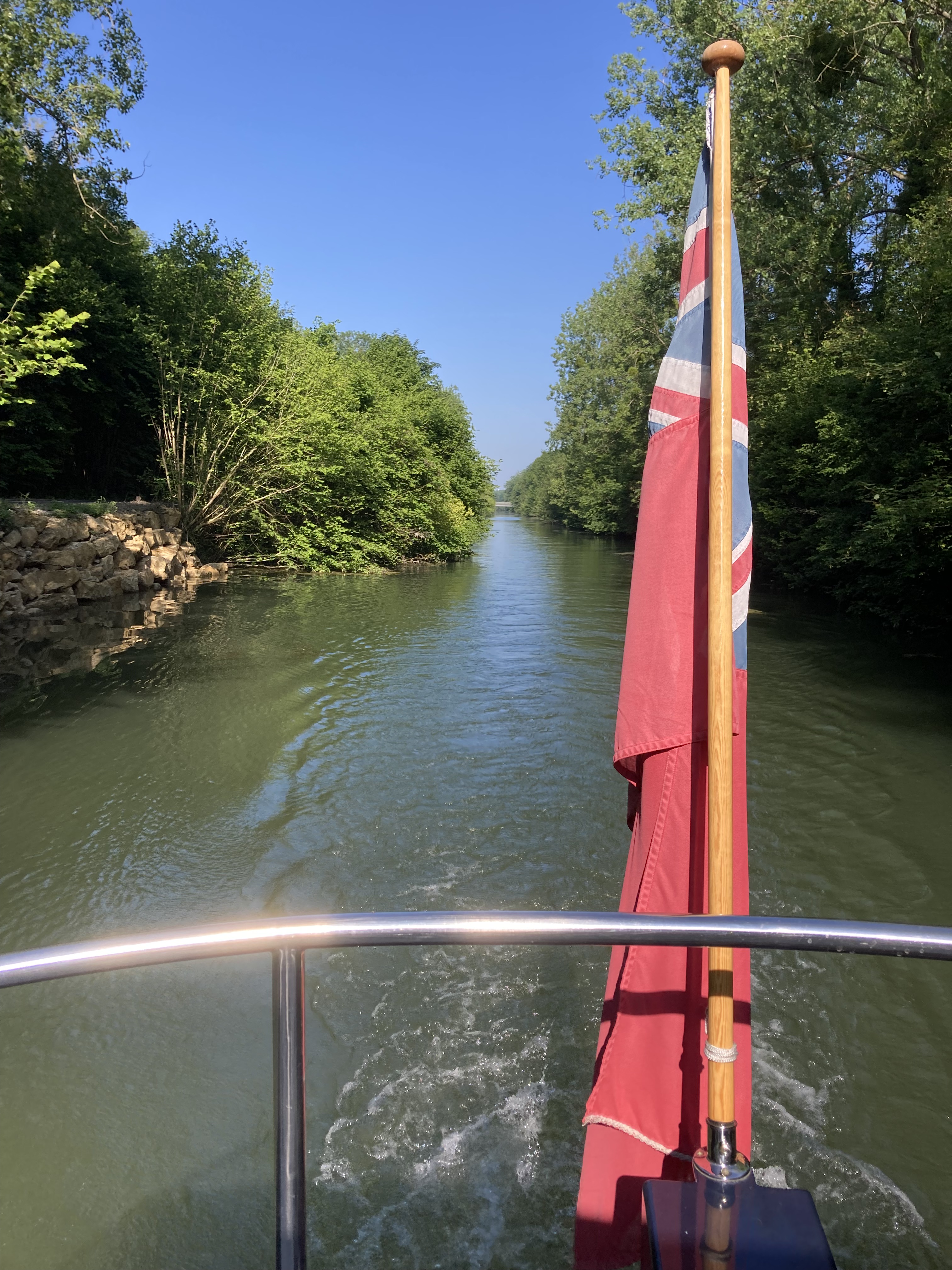
The first section of the mooring was quite narrow, but then it broadened out again. Typically we had to pass two boats on the narrow bit, but all was well – enough space for us all without swooshing gently through low hanging branches.
A little bit of colourful nature to finish this stretch.
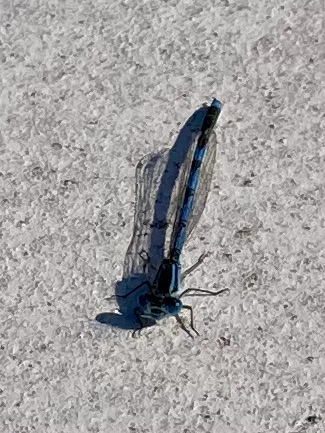
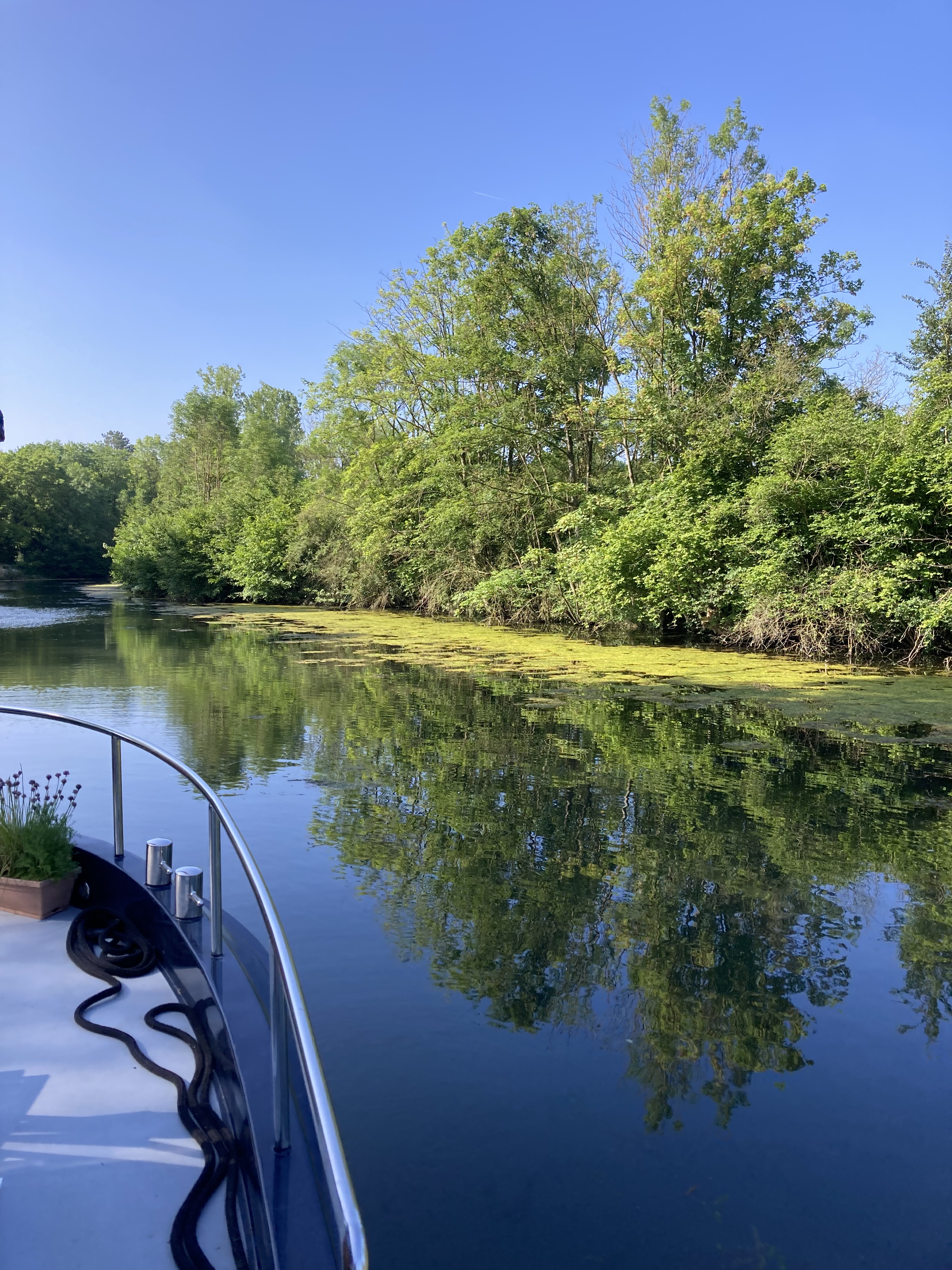
A lovely blue dragon (damselfly?) joined us long enough for me to get a photo – and realise I still had a section of roof to clean!
Then we were into the lock Vieux-lés-Asfeld.

No fuss; no announcement. We were now on the Canal Des Ardennes!
More about this beautiful and sometimes challenging canal in the next blog.
 goodshipcalliope